

As a seasoned supplier of solar purlin connectors, I understand the critical role these components play in ensuring the long - term stability and performance of solar panel installations. In this blog, I'll share some insights on how to ensure the stability of a solar purlin connector, drawing from my years of experience in the industry.
Understanding the Basics of Solar Purlin Connectors
Solar purlin connectors are essential parts of a photovoltaic (PV) system. They are used to secure solar panels to the supporting structure, typically purlins. The stability of these connectors is paramount as it directly impacts the overall integrity of the solar installation. A stable connector can withstand various environmental factors such as wind, snow, and seismic activity, ensuring that the solar panels remain in place and continue to generate electricity efficiently.
Material Selection
One of the first steps in ensuring the stability of a solar purlin connector is choosing the right materials. High - quality materials with excellent corrosion resistance and mechanical strength are crucial. For instance, hot - dip galvanized steel is a popular choice for many solar purlin connectors. The hot - dip galvanizing process involves coating the steel with a layer of zinc, which provides a protective barrier against rust and corrosion. This is especially important in outdoor environments where the connectors are exposed to moisture and other corrosive elements.
Our Hot - dip Galvanized Pipe Strap Bracket is a prime example of a connector made from hot - dip galvanized steel. It offers superior strength and durability, making it suitable for a wide range of solar panel installations. The zinc coating not only protects the steel but also enhances its aesthetic appeal, giving the solar installation a clean and professional look.
Design and Engineering
The design of a solar purlin connector is another key factor in ensuring its stability. A well - designed connector should be able to distribute the load evenly across the purlin and the solar panel. This helps to prevent stress concentrations that could lead to premature failure of the connector or the supporting structure.
Triangular connectors are often used in solar panel installations due to their excellent load - bearing capacity. Our Triangular Connector is engineered to provide maximum stability. Its triangular shape allows it to transfer the weight of the solar panel and the forces acting on it to the purlin in an efficient manner. The design also takes into account the expansion and contraction of the materials due to temperature changes, ensuring that the connector remains secure over time.
Installation Techniques
Proper installation is essential for the stability of solar purlin connectors. Even the best - designed and highest - quality connectors can fail if they are not installed correctly. Installers should follow the manufacturer's instructions carefully and use the appropriate tools and techniques.
Before installation, it is important to ensure that the purlins are properly aligned and level. Any misalignment can cause uneven stress on the connectors, leading to instability. The connectors should be tightened to the recommended torque specifications to ensure a secure fit. Over - tightening can damage the connector or the purlin, while under - tightening can result in a loose connection that may fail under load.
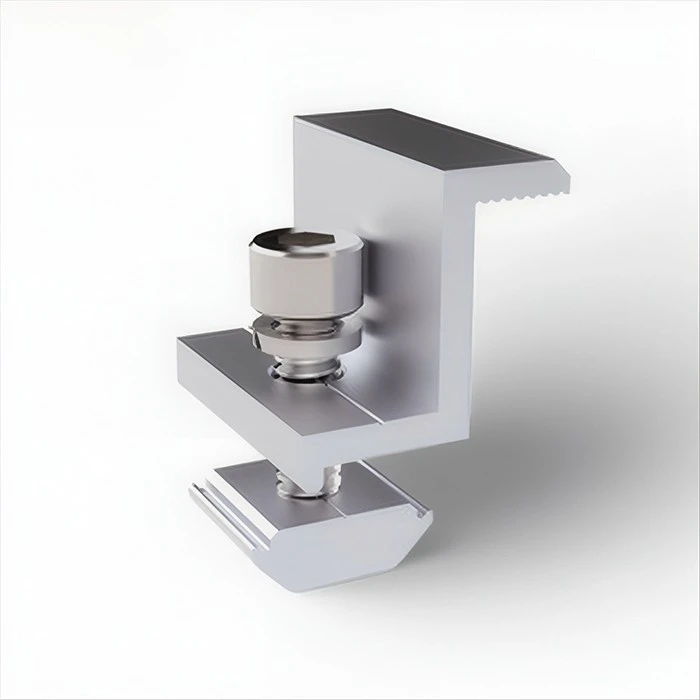
Photovoltaic clamps are commonly used to secure solar panels to the purlins. Our Photovoltaic Clamp is designed for easy installation. It features a simple yet effective clamping mechanism that allows for quick and secure attachment of the solar panel. However, it is still important to ensure that the clamps are installed correctly and that they are evenly spaced to distribute the load evenly.

Quality Control and Testing
To ensure the stability of our solar purlin connectors, we implement a rigorous quality control process. Every connector undergoes a series of tests to ensure that it meets our high standards. These tests include mechanical strength tests, corrosion resistance tests, and environmental simulation tests.
Mechanical strength tests are used to determine the maximum load that a connector can withstand without failure. This helps us to ensure that the connectors are suitable for the intended application. Corrosion resistance tests are conducted to evaluate the ability of the connector to resist rust and corrosion over time. We expose the connectors to various corrosive environments in our laboratory to simulate real - world conditions.
Environmental simulation tests are used to assess the performance of the connectors under different weather conditions. We subject the connectors to extreme temperatures, humidity, and wind loads to ensure that they can withstand the harsh conditions that they may encounter in the field.
Maintenance and Inspection
Regular maintenance and inspection are also important for ensuring the long - term stability of solar purlin connectors. Over time, the connectors may be affected by factors such as weathering, vibration, and mechanical wear. By conducting regular inspections, we can identify any potential issues early and take corrective action before they become serious problems.
During inspections, it is important to check for signs of corrosion, loose connections, and damage to the connectors. If any issues are found, the connectors should be repaired or replaced as soon as possible. We recommend that solar panel owners have their systems inspected at least once a year by a qualified professional.
Conclusion
Ensuring the stability of a solar purlin connector is a multi - faceted process that involves material selection, design and engineering, installation techniques, quality control, and maintenance. By paying attention to these factors, we can ensure that our solar purlin connectors provide reliable and long - lasting performance.
If you are in the market for high - quality solar purlin connectors, we invite you to contact us for more information. Our team of experts is ready to assist you in choosing the right connectors for your solar panel installation. Whether you are a small - scale residential installer or a large - scale commercial developer, we have the products and the expertise to meet your needs. Let's work together to build a more sustainable future with stable and efficient solar energy systems.
References
- ASTM International. (2023). Standards for steel products used in construction.
- International Electrotechnical Commission (IEC). (2023). Standards for photovoltaic systems.
- National Renewable Energy Laboratory (NREL). (2023). Research on solar panel installation and component performance.