

In the realm of solar energy, off - grid photovoltaic (PV) systems have emerged as a reliable and sustainable solution for areas without access to the main power grid or for those seeking energy independence. As a PV Hook supplier, I am often asked whether PV Hooks can be used in off - grid PV systems. This blog post aims to explore this question in detail, shedding light on the feasibility, advantages, and considerations of using PV Hooks in such systems.
Understanding Off - Grid PV Systems
Off - grid PV systems are self - contained solar power setups that operate independently of the traditional electrical grid. These systems typically consist of solar panels, charge controllers, batteries for energy storage, and inverters to convert the direct current (DC) generated by the solar panels into alternating current (AC) for use in homes or other applications. The key characteristic of off - grid systems is their ability to provide continuous power supply even when the sun is not shining, relying on the stored energy in the batteries.
What are PV Hooks?
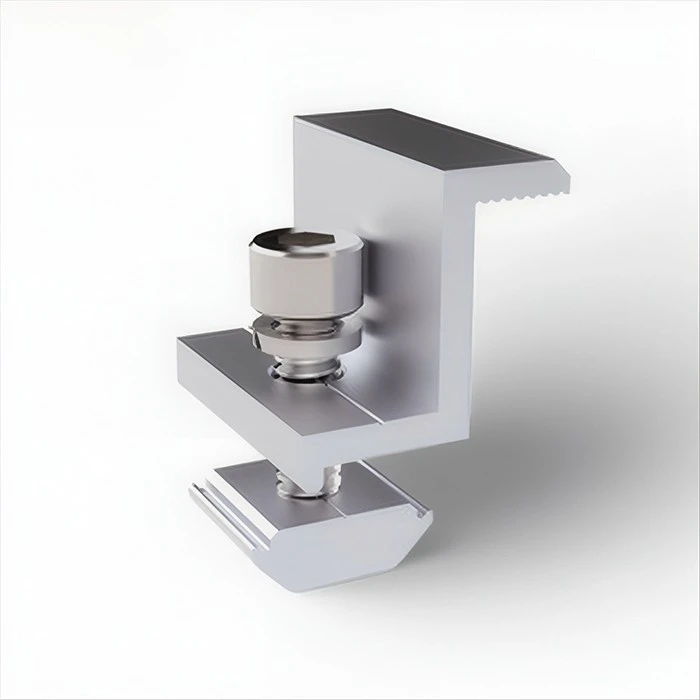
PV Hooks, also known as Photovoltaic Clamp, are essential components in PV installations. They are used to secure solar panels to mounting structures, ensuring a stable and reliable connection. PV Hooks come in various designs and materials, such as stainless steel or aluminum, to withstand different environmental conditions. Their primary function is to prevent the solar panels from being dislodged by wind, rain, or other external forces, thereby protecting the integrity of the entire PV system.

Feasibility of Using PV Hooks in Off - Grid PV Systems
The short answer is yes, PV Hooks can be effectively used in off - grid PV systems. In fact, they are just as crucial in off - grid setups as they are in grid - connected systems. The stability and durability provided by PV Hooks are essential for the long - term performance of off - grid PV systems, which often operate in remote and harsh environments.
One of the main reasons for the feasibility is that the basic requirements for panel mounting in off - grid systems are the same as those in grid - connected systems. Whether the system is connected to the grid or not, solar panels need to be securely attached to the mounting structure to function properly. PV Hooks offer a simple yet effective solution for this, allowing for easy installation and maintenance.
Advantages of Using PV Hooks in Off - Grid PV Systems
1. Enhanced Stability
Off - grid PV systems are often installed in areas with high wind speeds or extreme weather conditions. PV Hooks provide a strong and secure connection between the solar panels and the mounting structure, reducing the risk of panel displacement or damage. This stability is crucial for ensuring the continuous operation of the system and maximizing energy production.
2. Easy Installation
PV Hooks are designed for easy installation, which is particularly beneficial in off - grid settings where access to specialized installation equipment and skilled labor may be limited. Their simple design allows for quick and straightforward attachment to the mounting rails, reducing installation time and costs.
3. Compatibility with Different Mounting Structures
PV Hooks are compatible with a wide range of mounting structures, including Solar Panel Mounting Rail Straight Connector and Triangular Connector. This versatility makes them suitable for various off - grid PV system configurations, whether it is a ground - mounted, rooftop - mounted, or pole - mounted system.
4. Cost - Effectiveness
Compared to some other mounting solutions, PV Hooks are relatively inexpensive. This is an important consideration for off - grid PV systems, which often have budget constraints. By using PV Hooks, system owners can achieve a cost - effective installation without compromising on quality or performance.
Considerations When Using PV Hooks in Off - Grid PV Systems
1. Environmental Conditions
Off - grid PV systems are often exposed to more severe environmental conditions than grid - connected systems. Therefore, it is important to choose PV Hooks that are made of high - quality materials and have appropriate corrosion resistance. For example, in coastal areas where there is a high salt content in the air, stainless steel PV Hooks may be a better choice than aluminum ones.
2. Load Requirements
The load requirements of off - grid PV systems may vary depending on the size and type of the solar panels, as well as the local wind and snow loads. It is essential to select PV Hooks that can support the specific load requirements of the system to ensure its safety and reliability.
3. Maintenance
Although PV Hooks are generally low - maintenance, regular inspections should be carried out to ensure that they are still in good condition. In off - grid systems, where access to maintenance services may be limited, it is important to choose PV Hooks that are durable and require minimal maintenance.
Conclusion
In conclusion, PV Hooks can be successfully used in off - grid PV systems. They offer numerous advantages, including enhanced stability, easy installation, compatibility with different mounting structures, and cost - effectiveness. However, it is important to consider the environmental conditions, load requirements, and maintenance needs when selecting PV Hooks for off - grid applications.
As a PV Hook supplier, I am committed to providing high - quality products that meet the specific needs of off - grid PV systems. Our PV Hooks are designed and manufactured to the highest standards, ensuring reliable performance in even the most challenging environments. If you are planning an off - grid PV system installation or need to replace existing mounting components, I encourage you to contact us for more information and to discuss your specific requirements. We look forward to working with you to create a sustainable and efficient off - grid PV solution.
References
- International Electrotechnical Commission (IEC). IEC 61730 - 2:2016, Photovoltaic (PV) module safety qualification - Part 2: Requirements for construction.
- Solar Energy Industries Association (SEIA). Off - Grid Solar Systems: A Guide to Design and Installation.
- National Renewable Energy Laboratory (NREL). Best Practices for PV System Mounting and Installation.