

Straight seam steel pipes play a crucial role in thermal power plants, where they are used in a variety of applications due to their unique properties and advantages. As a supplier of straight seam steel pipes, I have witnessed firsthand how these pipes contribute to the efficient and reliable operation of thermal power plants. In this blog post, I will explore how straight seam steel pipes work in thermal power plants, their key functions, and the reasons why they are a preferred choice in this industry.
The Basics of Straight Seam Steel Pipes
Straight seam steel pipes are manufactured by welding a single straight seam along the length of the pipe. This manufacturing process results in a pipe with a smooth interior surface and a consistent wall thickness, which is essential for applications that require high precision and reliability. Straight seam steel pipes are available in a variety of sizes, wall thicknesses, and materials, including carbon steel, alloy steel, and stainless steel, to meet the specific requirements of different applications.
Key Functions in Thermal Power Plants
1. Steam Transport
One of the primary functions of straight seam steel pipes in thermal power plants is to transport steam from the boiler to the turbine. Steam is generated in the boiler by heating water using the heat produced from the combustion of fossil fuels or nuclear reactions. The high-pressure and high-temperature steam is then transported through the pipes to the turbine, where it expands and drives the turbine blades, generating electricity.
Straight seam steel pipes are ideal for steam transport due to their high strength, corrosion resistance, and ability to withstand high temperatures and pressures. The smooth interior surface of the pipes reduces friction and pressure drop, ensuring efficient steam flow and minimizing energy losses. Additionally, the consistent wall thickness of the pipes helps to maintain the integrity of the steam system and prevent leaks.
2. Water Supply and Return
Straight seam steel pipes are also used for water supply and return in thermal power plants. Water is used as a coolant in the condenser to condense the steam back into water after it has passed through the turbine. The cooled water is then returned to the boiler to be reheated and converted back into steam.
In addition to cooling, water is also used for other purposes in thermal power plants, such as boiler feedwater, make-up water, and fire protection. Straight seam steel pipes are used to transport water to and from these various systems due to their durability, corrosion resistance, and ability to handle large volumes of water.
3. Fuel Delivery
In fossil fuel power plants, straight seam steel pipes are used to deliver fuel, such as coal, oil, or natural gas, to the boiler. The fuel is transported through the pipes in a controlled manner to ensure efficient combustion and minimize emissions. The pipes are designed to withstand the high pressures and abrasive nature of the fuel, as well as the corrosive effects of the combustion by-products.
4. Ash and Slag Handling
After the combustion of fossil fuels in the boiler, ash and slag are produced as by-products. Straight seam steel pipes are used to transport the ash and slag from the boiler to the ash handling system, where they are collected and disposed of. The pipes are designed to handle the abrasive nature of the ash and slag and prevent blockages and corrosion.
Advantages of Straight Seam Steel Pipes in Thermal Power Plants
1. High Strength and Durability
Straight seam steel pipes are known for their high strength and durability, which makes them suitable for use in the harsh operating conditions of thermal power plants. The pipes can withstand high pressures, temperatures, and mechanical stresses without deforming or failing, ensuring the long-term reliability of the power plant.
2. Corrosion Resistance
Thermal power plants are exposed to a variety of corrosive substances, such as water, steam, and combustion by-products. Straight seam steel pipes can be coated or lined with corrosion-resistant materials, such as epoxy or polyethylene, to protect them from corrosion and extend their service life. This helps to reduce maintenance costs and prevent system failures.
3. Precise Dimensions
The manufacturing process of straight seam steel pipes allows for precise control of the pipe dimensions, including diameter, wall thickness, and length. This ensures a perfect fit and alignment of the pipes in the power plant systems, reducing installation time and improving the overall efficiency of the system.
4. Cost-Effective
Compared to other types of pipes, straight seam steel pipes are relatively cost-effective. They are widely available in the market, and their manufacturing process is well-established, resulting in lower production costs. Additionally, the long service life and low maintenance requirements of the pipes make them a cost-effective choice for thermal power plants in the long run.

Related Products
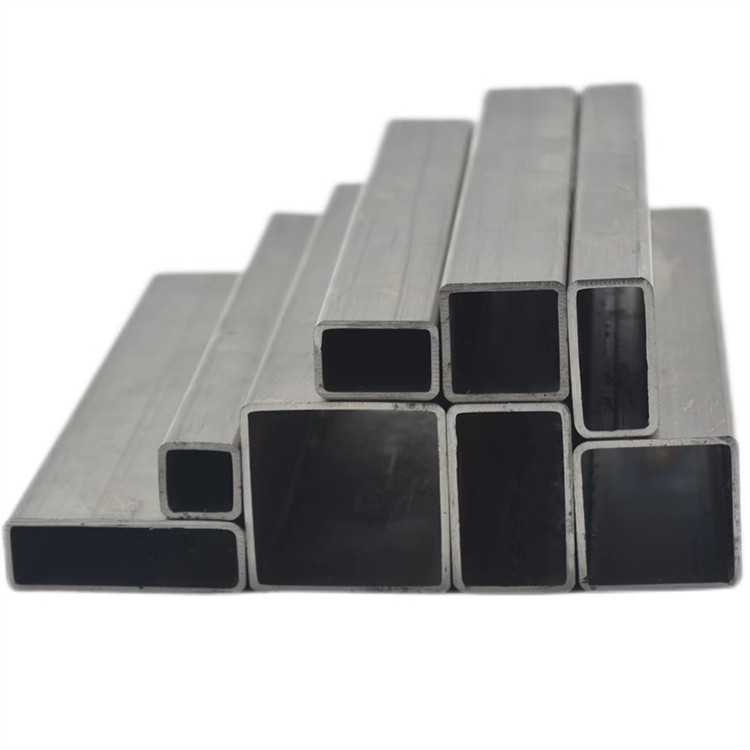
In addition to straight seam steel pipes, we also offer a range of other steel pipes that may be suitable for use in thermal power plants. These include Hollow Section Square Pipe, Rectangular Steel Pipe, and Erw Galvanized Pipe. These pipes have their own unique properties and advantages and can be used in various applications in thermal power plants, such as structural support, piping systems, and electrical conduits.
Conclusion
Straight seam steel pipes are an essential component of thermal power plants, playing a vital role in steam transport, water supply and return, fuel delivery, and ash and slag handling. Their high strength, corrosion resistance, and ability to withstand high temperatures and pressures make them ideal for use in the harsh operating conditions of thermal power plants. As a supplier of straight seam steel pipes, we are committed to providing high-quality products and excellent customer service to meet the needs of our clients in the thermal power industry.
If you are interested in learning more about our straight seam steel pipes or other steel products, or if you have any questions or requirements for your thermal power plant project, please do not hesitate to contact us. We would be happy to discuss your needs and provide you with a customized solution.
References
- ASME Boiler and Pressure Vessel Code
- ASTM International Standards for Steel Pipes
- Thermal Power Plant Engineering Handbook