

Steel pipes expand and contract in high or low temperatures, but the specific temperature depends on the pipe material and ambient conditions.
1. Principles of Steel Pipe Expansion and Contraction
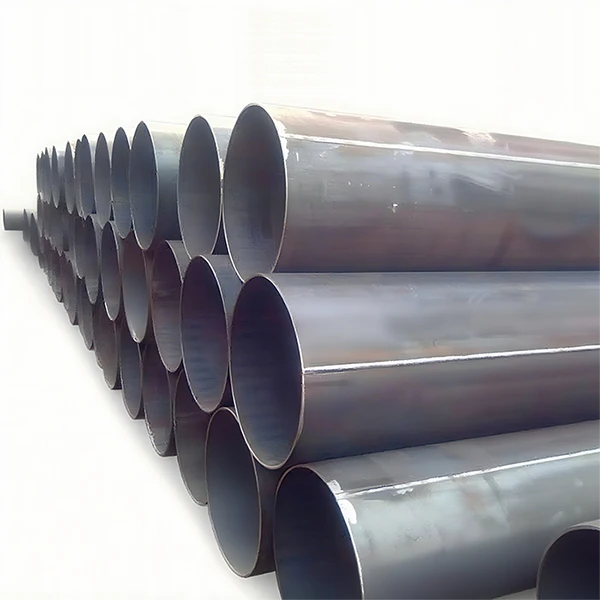
Steel pipe expansion and contraction are caused by the thermal expansion and contraction properties of steel: at high temperatures, the pipe expands, and at lower temperatures, it contracts again. Therefore, within a specific temperature range, steel pipes expand and contract.
2. Influencing Factors
1). Steel Pipe Material
Steel pipes of different materials can withstand different temperature ranges. For example, ordinary carbon steel pipes have a higher coefficient of expansion at high temperatures, making them prone to deformation, expansion, and rupture. High-temperature alloy steel pipes, on the other hand, can withstand higher temperatures.
2). Temperature Environment
The degree of expansion and contraction of steel pipes is also affected by the external temperature environment, as the extent of expansion and contraction is proportional to the magnitude of the temperature change. In high-temperature environments, steel pipes expand more; in low-temperature environments, they contract and may even become very brittle.
3. Countermeasures
1). Properly Select Steel Pipe Material
Steel pipes should be made of appropriate materials based on the actual operating environment, ensuring that their temperature tolerance range meets actual requirements.
2). Design a Proper Installation Method
During installation, appropriate support and fixing methods should be used to prevent deformation, cracking, or separation from connectors due to expansion and contraction.
3). Predict Thermal Expansion
During the engineering design process, the thermal expansion of steel pipes should be predicted. Problems that may cause deformation and cracking should be addressed and prevented in advance.
4). Perform Regular Inspection and Maintenance
Perform regular inspection and maintenance of steel pipes, and address any problems promptly to reduce safety hazards caused by quality issues or long-term use.