

Wear resistance is a crucial factor when it comes to evaluating the performance and durability of pipes, especially in industries where pipes are exposed to abrasive materials or harsh operating conditions. As a supplier of Erw Galvanized Pipe, I am often asked about the wear resistance of this product. In this blog post, I will delve into the concept of wear resistance in Erw Galvanized Pipe, exploring its influencing factors, testing methods, and practical applications.

Understanding Wear Resistance
Wear resistance refers to a material's ability to withstand the effects of wear, which can occur due to friction, abrasion, erosion, or impact. In the context of pipes, wear can lead to thinning of the pipe wall, loss of structural integrity, and ultimately, failure of the pipe system. Therefore, pipes with high wear resistance are essential for ensuring long - term reliability and cost - effectiveness.
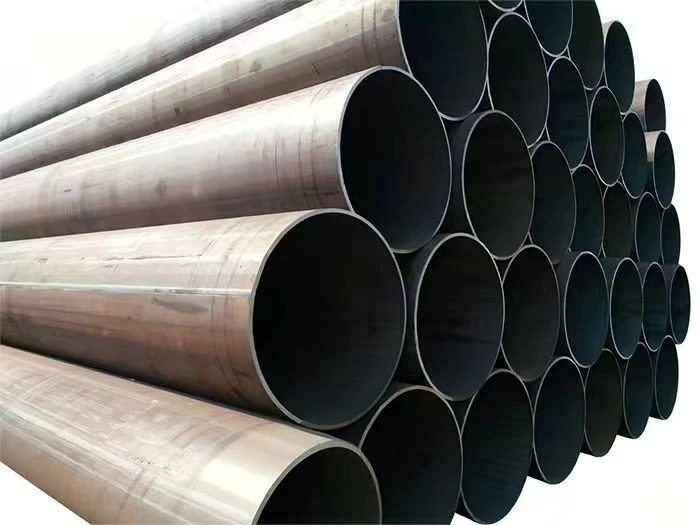
Erw Galvanized Pipe is made from hot - rolled or cold - rolled steel coils that are welded longitudinally using the Electric Resistance Welding (ERW) process. After welding, the pipes are galvanized, which involves coating them with a layer of zinc to protect against corrosion. The wear resistance of Erw Galvanized Pipe is influenced by several factors, including the base steel material, the thickness of the zinc coating, and the surface finish.
Factors Affecting the Wear Resistance of Erw Galvanized Pipe
Base Steel Material
The quality and composition of the base steel play a significant role in determining the wear resistance of Erw Galvanized Pipe. Steels with higher carbon content and alloying elements such as chromium, nickel, and molybdenum generally have better wear resistance. These elements can enhance the hardness and strength of the steel, making it more resistant to abrasion and deformation. For example, some high - strength low - alloy (HSLA) steels are specifically designed to provide excellent wear resistance in demanding applications.
Zinc Coating Thickness
The zinc coating on Erw Galvanized Pipe serves as a sacrificial layer that protects the underlying steel from corrosion. A thicker zinc coating can also contribute to improved wear resistance by providing an additional barrier against abrasive particles. The thickness of the zinc coating is typically specified in grams per square meter (g/m²). In general, a thicker coating will offer better protection and longer service life, especially in environments with high levels of abrasion.
Surface Finish
The surface finish of Erw Galvanized Pipe can also affect its wear resistance. A smooth surface finish reduces friction and the likelihood of abrasive particles adhering to the pipe surface. This can minimize the wear caused by sliding contact with other materials. Additionally, a well - finished surface can prevent the formation of stress concentrations, which can lead to premature failure under wear conditions.
Testing the Wear Resistance of Erw Galvanized Pipe
There are several methods available for testing the wear resistance of Erw Galvanized Pipe. These tests can provide valuable information about the pipe's performance under different wear conditions and help in selecting the most suitable product for a specific application.
Abrasion Testing
Abrasion testing is one of the most common methods for evaluating the wear resistance of pipes. In this test, a sample of the pipe is subjected to a controlled abrasive action, such as rubbing against an abrasive material or being exposed to a stream of abrasive particles. The amount of material removed from the pipe surface is measured, and the wear rate is calculated. This test can simulate the wear conditions that pipes may encounter in real - world applications, such as in mining, construction, and oil and gas industries.
Erosion Testing
Erosion testing is used to evaluate the pipe's resistance to the wear caused by the impact of solid particles carried by a fluid stream. In this test, a sample of the pipe is exposed to a high - velocity fluid containing abrasive particles. The erosion rate is determined by measuring the mass loss of the pipe sample over a specific period. Erosion testing is particularly relevant for pipes used in applications where they are exposed to fluid - borne solids, such as in slurry pipelines.
Impact Testing
Impact testing assesses the pipe's ability to withstand sudden impacts without significant damage. A sample of the pipe is struck with a pendulum or a falling weight, and the energy absorbed by the pipe is measured. This test can help in determining the pipe's toughness and its resistance to wear caused by impact forces, which are common in applications such as transportation and handling.
Practical Applications of Erw Galvanized Pipe with High Wear Resistance
Due to its good wear resistance, Erw Galvanized Pipe is widely used in various industries.
Mining Industry
In the mining industry, pipes are often used to transport abrasive materials such as coal, ore, and tailings. Erw Galvanized Pipe with high wear resistance can withstand the harsh conditions of mining operations, including the abrasion caused by the movement of solid particles and the impact of heavy equipment. It can be used for slurry pipelines, ventilation systems, and water supply lines in mines.
Construction Industry
In construction, Erw Galvanized Pipe is used for structural applications, as well as for plumbing and drainage systems. Pipes with good wear resistance are essential for ensuring the long - term performance of these systems, especially in areas where they are exposed to mechanical damage or abrasive substances. For example, in building foundations, pipes may be subject to abrasion from soil particles during installation and use.
Oil and Gas Industry
In the oil and gas industry, Erw Galvanized Pipe is used for transporting oil, gas, and other fluids. The pipes need to be resistant to wear caused by the flow of fluids containing solid particles, as well as to corrosion in harsh environments. High - wear - resistant Erw Galvanized Pipe can be used in pipelines, well casings, and offshore platforms.
Conclusion
The wear resistance of Erw Galvanized Pipe is a complex property that is influenced by multiple factors, including the base steel material, zinc coating thickness, and surface finish. By understanding these factors and using appropriate testing methods, we can ensure that the pipes we supply meet the high standards required for various applications.
As a supplier of Erw Galvanized Pipe, I am committed to providing high - quality products with excellent wear resistance. Our pipes are manufactured using advanced technology and strict quality control measures to ensure their performance and durability. Whether you need pipes for mining, construction, or oil and gas applications, we have the right solution for you.
If you are interested in our Erw Galvanized Pipe or have any questions about wear resistance and its applications, please feel free to contact us for further discussion and procurement negotiation. We look forward to working with you to meet your specific needs.
References
- ASM Handbook Volume 18: Friction, Lubrication, and Wear Technology. ASM International.
- ASTM Standards for Pipe Testing. ASTM International.
- Galvanizers Association Technical Guides. Galvanizers Association.