

Hey there! As a supplier of Rectangular Steel Pipe, I often get asked about the bending radius of these pipes. So, I thought I'd write a blog post to share some insights on this topic.
First off, let's understand what the bending radius is. In simple terms, the bending radius of a rectangular steel pipe is the minimum radius at which the pipe can be bent without causing any significant damage to its structure. It's a crucial factor to consider when you're planning to use these pipes in projects that require bending, like in construction, manufacturing, or even in some artistic installations.
The bending radius of rectangular steel pipes isn't a one - size - fits - all kind of thing. It depends on several factors. One of the most important factors is the wall thickness of the pipe. Thicker - walled pipes generally have a larger minimum bending radius compared to thinner - walled ones. This is because thicker walls are more rigid and less flexible, so they need a larger radius to bend without cracking or deforming.
For example, if you have a thin - walled rectangular steel pipe with a wall thickness of around 2mm, you might be able to bend it with a relatively small radius, say around 3 - 5 times the pipe's width. But if the wall thickness is 5mm or more, you'll probably need a bending radius of 8 - 10 times the pipe's width.
Another factor that affects the bending radius is the material of the steel. Different grades of steel have different levels of ductility. Ductility is the ability of a material to be deformed under tensile stress without breaking. High - strength steels are often less ductile than mild steels. So, if you're using a high - strength rectangular steel pipe, you'll likely need a larger bending radius compared to a mild - steel pipe of the same dimensions.
The width and height ratio of the rectangular pipe also play a role. If the pipe has a more square - like cross - section (width and height are close in value), it will generally have different bending characteristics compared to a pipe with a more elongated rectangular cross - section. Pipes with a larger difference between width and height might require a larger bending radius, especially when bending along the longer side.
Now, let's talk about why the bending radius matters. When you're using rectangular steel pipes in a project, getting the bending radius right is essential for the structural integrity of the final product. If the bending radius is too small, the pipe can experience internal stresses that can lead to cracks or fractures. These defects can weaken the pipe and make it unsafe for use, especially in load - bearing applications.
On the other hand, if the bending radius is too large, it might not fit the design requirements of your project. For instance, in architectural designs where space is limited, a large bending radius might not be feasible. So, finding the optimal bending radius is a balance between the structural requirements and the design constraints.
As a supplier of Rectangular Steel Pipe, I've seen many customers struggle with determining the right bending radius for their projects. That's why we offer technical support to help our clients make the best decisions. We have a team of experts who can analyze your project requirements, take into account the factors I've mentioned above, and recommend the most suitable bending radius for your rectangular steel pipes.
It's also worth noting that there are different methods of bending rectangular steel pipes, such as cold bending and hot bending. Cold bending is done at room temperature and is suitable for pipes with relatively small bending radii and thinner walls. Hot bending, on the other hand, involves heating the pipe to a specific temperature before bending. This method is often used for pipes with larger bending radii or thicker walls, as the heat makes the steel more malleable.
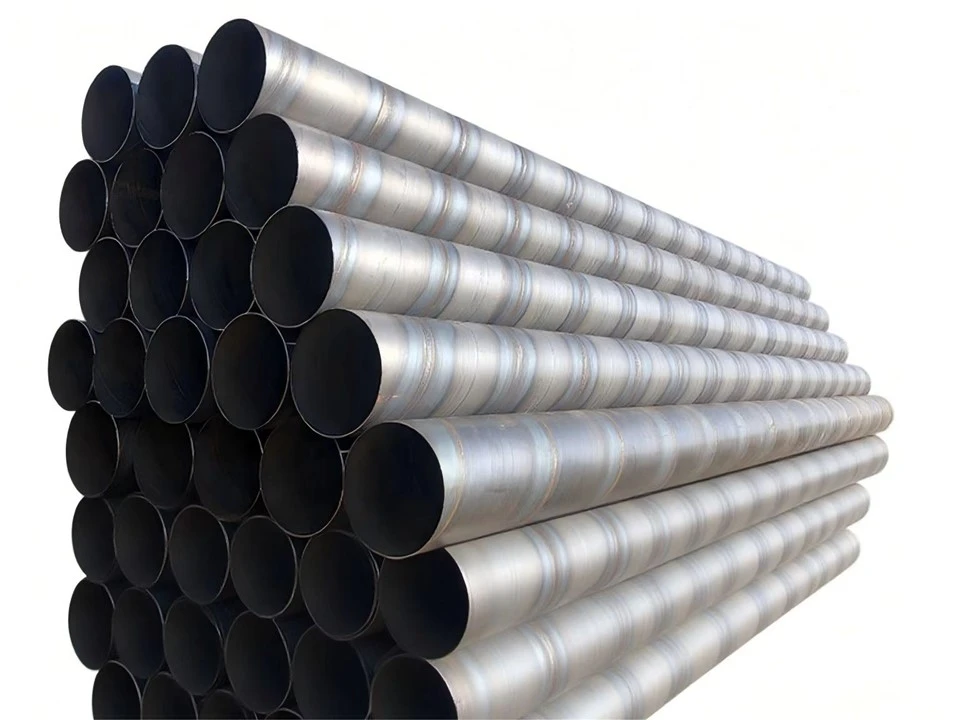
When it comes to our product range, we offer a variety of rectangular steel pipes with different wall thicknesses, materials, and dimensions. Whether you need a small - sized pipe for a DIY project or large - scale pipes for industrial construction, we've got you covered. And if you're interested in other types of steel pipes, we also supply Spiral Steel Pipe and Erw Galvanized Pipe.
If you're planning a project that involves bending rectangular steel pipes, don't hesitate to reach out to us. Our team can provide you with detailed information about the bending radius, as well as offer advice on the best type of pipe for your needs. We can also assist with the bending process if required, ensuring that you get a high - quality product that meets your project specifications.
In conclusion, understanding the bending radius of rectangular steel pipes is crucial for any project that involves pipe bending. By considering factors like wall thickness, material, and cross - section dimensions, you can determine the appropriate bending radius. And as a reliable supplier, we're here to support you every step of the way. So, if you're in the market for rectangular steel pipes or have any questions about bending them, feel free to contact us for a consultation. Let's work together to make your project a success!
References

- "Steel Pipe Handbook" - A comprehensive guide on steel pipes and their properties.
- Industry standards and specifications related to steel pipe bending.