

The thermal conductivity of a material is a crucial property that determines its ability to conduct heat. In the context of rectangular steel pipes, understanding thermal conductivity is essential for various applications, including construction, engineering, and manufacturing. As a leading supplier of Rectangular Steel Pipe, we are committed to providing high-quality products and comprehensive information to our customers. In this blog post, we will explore the concept of thermal conductivity and its significance in rectangular steel pipes.
Understanding Thermal Conductivity
Thermal conductivity, denoted by the symbol "k," is a measure of how well a material can transfer heat through it. It is defined as the quantity of heat that passes through a unit area of a material in a unit time under a unit temperature gradient. The SI unit of thermal conductivity is watts per meter-kelvin (W/(m·K)).
Materials with high thermal conductivity, such as metals, are good conductors of heat. They allow heat to flow through them easily, making them suitable for applications where heat transfer is required, such as heat exchangers and radiators. On the other hand, materials with low thermal conductivity, like insulators, resist the flow of heat and are used to prevent heat loss or gain, such as in building insulation.
Thermal Conductivity of Steel
Steel is a widely used metal known for its excellent mechanical properties, including strength, durability, and ductility. It also has relatively high thermal conductivity compared to many other materials. The thermal conductivity of steel typically ranges from about 40 to 60 W/(m·K), depending on the type of steel and its composition.
The thermal conductivity of steel is influenced by several factors, including:
- Alloying Elements: The addition of alloying elements, such as carbon, manganese, chromium, and nickel, can affect the thermal conductivity of steel. For example, increasing the carbon content in steel generally decreases its thermal conductivity.
- Microstructure: The microstructure of steel, which is determined by its heat treatment and processing history, can also impact its thermal conductivity. For instance, a fine-grained microstructure may have a higher thermal conductivity than a coarse-grained one.
- Temperature: The thermal conductivity of steel generally decreases with increasing temperature. This is because at higher temperatures, the lattice vibrations in the steel increase, which can scatter the heat-carrying electrons and reduce the overall heat transfer.
Thermal Conductivity of Rectangular Steel Pipes
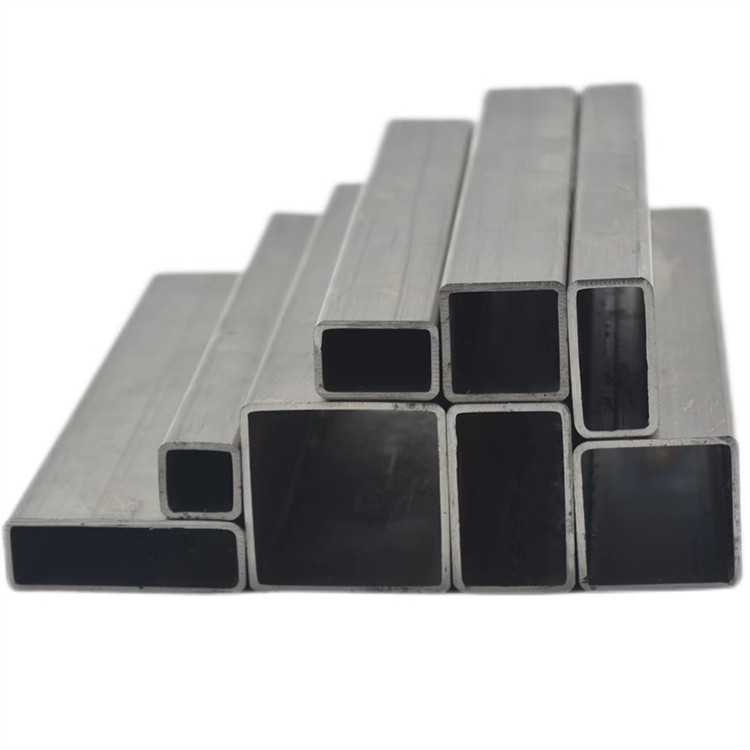
Rectangular steel pipes are commonly used in a variety of applications, including structural support, plumbing, and mechanical engineering. The thermal conductivity of rectangular steel pipes is similar to that of solid steel, but it can be affected by additional factors related to the pipe's geometry and construction.
- Wall Thickness: The wall thickness of a rectangular steel pipe can influence its thermal conductivity. Thicker walls generally have a lower thermal conductivity than thinner walls because they provide more resistance to the flow of heat.
- Surface Area: The surface area of a rectangular steel pipe can also affect its thermal conductivity. A larger surface area allows for more heat transfer, which can increase the overall thermal conductivity of the pipe.
- Insulation: If a rectangular steel pipe is insulated, its thermal conductivity will be significantly reduced. Insulation materials, such as fiberglass, foam, or mineral wool, have low thermal conductivity and can prevent heat from escaping or entering the pipe.
Applications of Rectangular Steel Pipes Based on Thermal Conductivity
The thermal conductivity of rectangular steel pipes plays a crucial role in many applications. Here are some examples:
- Heat Exchangers: Rectangular steel pipes are commonly used in heat exchangers, which are devices that transfer heat between two fluids. The high thermal conductivity of steel allows for efficient heat transfer, making it an ideal material for this application.
- HVAC Systems: In heating, ventilation, and air conditioning (HVAC) systems, rectangular steel pipes are used to distribute hot or cold air throughout a building. The thermal conductivity of the pipes affects the efficiency of the system, as it determines how quickly the air can be heated or cooled.
- Industrial Processes: Rectangular steel pipes are also used in various industrial processes, such as chemical processing, power generation, and food processing. In these applications, the thermal conductivity of the pipes is important for maintaining the desired temperature and ensuring the efficiency of the process.
Importance of Knowing Thermal Conductivity for Customers
As a supplier of Rectangular Steel Pipe, we understand the importance of providing our customers with accurate information about the thermal conductivity of our products. Knowing the thermal conductivity of rectangular steel pipes can help customers make informed decisions about their applications, including:

- Energy Efficiency: By choosing rectangular steel pipes with the appropriate thermal conductivity, customers can improve the energy efficiency of their systems. For example, using pipes with lower thermal conductivity in insulation applications can reduce heat loss and save energy.
- System Design: Understanding the thermal conductivity of rectangular steel pipes is essential for proper system design. Engineers and designers need to consider the heat transfer requirements of the application and select the appropriate pipe size, wall thickness, and insulation to ensure optimal performance.
- Cost Savings: By selecting the right rectangular steel pipes based on their thermal conductivity, customers can potentially save on costs. For instance, using pipes with higher thermal conductivity in heat exchangers can reduce the size and cost of the equipment.
Our Commitment as a Supplier
As a leading supplier of Rectangular Steel Pipe, we are committed to providing our customers with high-quality products and exceptional service. We offer a wide range of rectangular steel pipes with different sizes, wall thicknesses, and grades to meet the diverse needs of our customers.
In addition to our extensive product selection, we also provide technical support and expertise to help our customers make the right choices for their applications. Our team of experienced engineers and sales representatives can assist customers in understanding the thermal conductivity of our products and provide recommendations based on their specific requirements.
Conclusion
The thermal conductivity of rectangular steel pipes is an important property that affects their performance in various applications. By understanding the concept of thermal conductivity and its influencing factors, customers can make informed decisions about the selection and use of rectangular steel pipes. As a reliable supplier, we are dedicated to providing our customers with high-quality products and comprehensive information to help them achieve their goals.
If you are interested in learning more about the thermal conductivity of rectangular steel pipes or would like to discuss your specific requirements, please feel free to contact us. We look forward to the opportunity to serve you and help you find the perfect solution for your project.
References
- Incropera, F. P., & DeWitt, D. P. (2002). Fundamentals of Heat and Mass Transfer. John Wiley & Sons.
- Holman, J. P. (2010). Heat Transfer. McGraw-Hill.
- ASM Handbook, Volume 1: Properties and Selection: Irons, Steels, and High-Performance Alloys. ASM International.