

Hey there! As a guide rail supplier, I've seen firsthand how important it is to keep guide rails well - lubricated. In this blog, I'm gonna share some tips on how to lubricate a guide rail effectively.
Why Lubricate a Guide Rail?
Before we dive into the how - to, let's talk about why lubricating a guide rail is so crucial. First off, lubrication reduces friction. When a guide rail is in use, there's a lot of movement between the moving parts and the rail itself. Friction can cause wear and tear over time, leading to premature failure of the guide rail.
Secondly, lubrication helps to prevent corrosion. Guide rails are often exposed to various environmental conditions, such as moisture and chemicals. A good lubricant acts as a protective barrier, keeping the rail from rusting and corroding.
Lastly, proper lubrication can improve the overall performance of the equipment that uses the guide rail. It ensures smooth and precise movement, which is essential for many applications, especially in industries like manufacturing and automation.
Types of Guide Rails We Supply
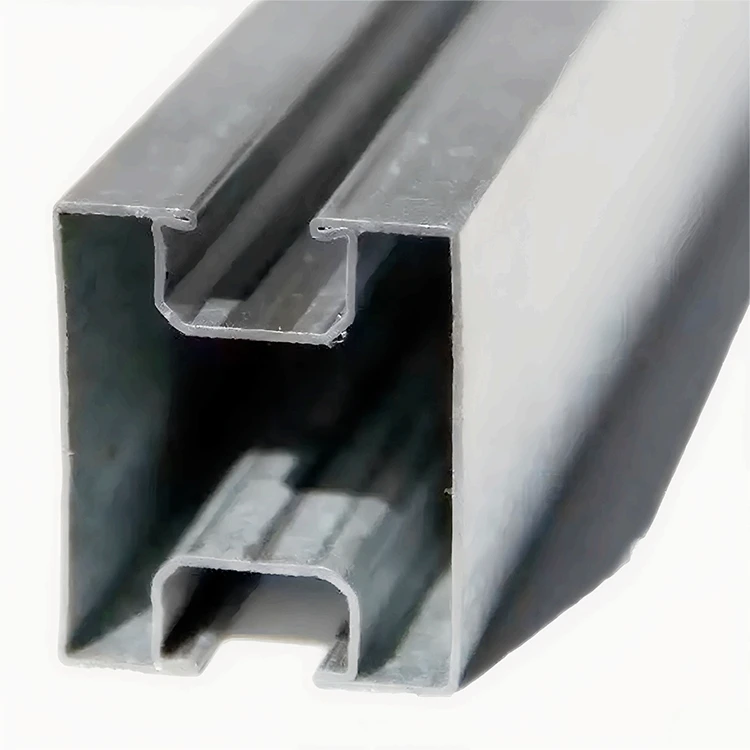
We offer a variety of guide rails, each with its own unique features and applications. For instance, our Solar Mounting Rail Solar Panel Mounting Rail Aluminum Alloy Rail is made of high - quality aluminum alloy. It's lightweight, corrosion - resistant, and perfect for solar panel installations.
Our Aluminum Alloy Guide Rail is another popular choice. It's strong, durable, and can withstand heavy loads. This type of guide rail is commonly used in industrial machinery and equipment.
And then there's our Zinc - Aluminum - Magnesium Guide Rail. This guide rail offers excellent corrosion resistance and is suitable for harsh environments.
Choosing the Right Lubricant
The first step in lubricating a guide rail is choosing the right lubricant. There are several factors to consider when making this decision.
Viscosity: The viscosity of the lubricant determines how thick or thin it is. For guide rails that operate at high speeds, a lower - viscosity lubricant is usually better because it can flow more easily. On the other hand, if the guide rail is under heavy loads or operates at low speeds, a higher - viscosity lubricant may be more appropriate as it can provide better protection.
Compatibility: Make sure the lubricant is compatible with the material of the guide rail. For example, some lubricants may react with certain metals, causing damage over time. If you're using an aluminum alloy guide rail, choose a lubricant that is specifically designed for aluminum.
Environmental Conditions: Consider the environmental conditions in which the guide rail will be operating. If it's in a wet or humid environment, a waterproof lubricant is a must. In a dusty environment, a lubricant that can resist dust and debris is preferred.
Preparing the Guide Rail for Lubrication
Before applying the lubricant, you need to prepare the guide rail. Here's how:
Clean the Rail: Use a clean, dry cloth or a brush to remove any dirt, dust, or debris from the guide rail. You can also use a mild solvent if necessary, but make sure to rinse it off thoroughly and let the rail dry completely before applying the lubricant.
Inspect the Rail: Take a close look at the guide rail for any signs of damage, such as cracks or excessive wear. If you notice any issues, it's best to address them before lubricating the rail.
Applying the Lubricant
Once the guide rail is clean and dry, it's time to apply the lubricant. Here are the steps:
Use the Right Application Method: There are several ways to apply lubricant to a guide rail. You can use a brush, a spray, or a grease gun, depending on the type of lubricant and the design of the guide rail.
Apply the Lubricant Evenly: Make sure to apply the lubricant evenly along the entire length of the guide rail. Pay special attention to the contact points between the moving parts and the rail.
Don't Over - Lubricate: Applying too much lubricant can attract dirt and debris, which can actually cause more problems. Use just enough lubricant to provide adequate protection.
Maintenance and Re - lubrication
Lubricating a guide rail is not a one - time thing. You need to perform regular maintenance and re - lubrication to keep the rail in good condition.
Set a Schedule: Determine how often the guide rail needs to be lubricated based on its usage and the type of lubricant used. For some applications, monthly lubrication may be sufficient, while others may require more frequent lubrication.
Monitor the Rail: Keep an eye on the guide rail for any signs of lubricant breakdown or excessive wear. If you notice any issues, re - lubricate the rail immediately.
Conclusion
Lubricating a guide rail is an important part of maintaining its performance and longevity. By choosing the right lubricant, preparing the rail properly, applying the lubricant evenly, and performing regular maintenance, you can ensure that your guide rail operates smoothly and efficiently.

If you're in the market for high - quality guide rails or have any questions about lubrication, feel free to reach out to us. We're here to help you find the best solutions for your needs. Whether you need a Solar Mounting Rail Solar Panel Mounting Rail Aluminum Alloy Rail, an Aluminum Alloy Guide Rail, or a Zinc - Aluminum - Magnesium Guide Rail, we've got you covered. Let's start a conversation about your requirements and how we can assist you in your projects.
References
- Machinery Lubrication Handbook
- Guide Rail Manufacturer's Manuals