

In the world of chemistry, titration is a fundamental technique used to determine the concentration of a substance in a solution. It's a bit like a detective game, where you're trying to figure out exactly how much of a particular chemical is hiding in a liquid. And in this game, the burette clamp plays a crucial role. As a clamp supplier, I've seen firsthand how these seemingly simple tools can make or break a titration experiment. So, let's dive into what the role of a burette clamp in titration really is.
The Basics of Titration
Before we get into the role of the burette clamp, let's quickly go over what titration is. Titration is a method where you add a solution of known concentration (the titrant) to a solution of unknown concentration (the analyte) until a chemical reaction between the two is complete. This is usually indicated by a change in color, which is detected using an indicator. The goal is to find the exact volume of the titrant needed to react completely with the analyte, which allows you to calculate the concentration of the analyte.
The Burette: A Key Player
The burette is a long, graduated glass tube with a stopcock at the bottom. It's used to accurately measure and dispense the titrant into the analyte solution. The burette needs to be held vertically and securely during the titration process to ensure accurate volume readings. And that's where the burette clamp comes in.
The Role of the Burette Clamp
1. Stability and Alignment
One of the primary roles of the burette clamp is to provide stability and proper alignment for the burette. When you're performing a titration, even the slightest movement or tilt of the burette can lead to inaccurate volume measurements. The burette clamp holds the burette firmly in place, preventing it from wobbling or tipping over. This ensures that the burette remains vertical, which is essential for getting precise readings. For example, if the burette is tilted, the meniscus (the curved surface of the liquid in the burette) may not be at the correct level, leading to errors in volume measurement.
2. Safety
Safety is another important aspect of using a burette clamp. Burettes are made of glass, which can be fragile. If a burette were to fall or break during a titration, it could not only damage the equipment but also pose a safety hazard due to broken glass and potentially dangerous chemicals. The burette clamp helps prevent such accidents by securely holding the burette in place. It gives you peace of mind knowing that the burette is stable and less likely to break.
3. Ease of Use
A good burette clamp makes the titration process much easier. It allows you to quickly and easily attach and detach the burette as needed. This is especially useful when you're setting up multiple titration experiments or when you need to clean or replace the burette. With a well-designed burette clamp, you can focus on the actual titration process without having to worry about constantly adjusting the position of the burette.
Types of Burette Clamps
There are different types of burette clamps available, each with its own features and advantages. Some common types include:
- Spring-loaded Clamps: These clamps use a spring mechanism to hold the burette in place. They are easy to open and close, making them convenient for quick setup and removal of the burette.
- Screw Clamps: Screw clamps have a screw that you can tighten to secure the burette. They provide a very secure hold and are often used in more precise or long-term titration experiments.
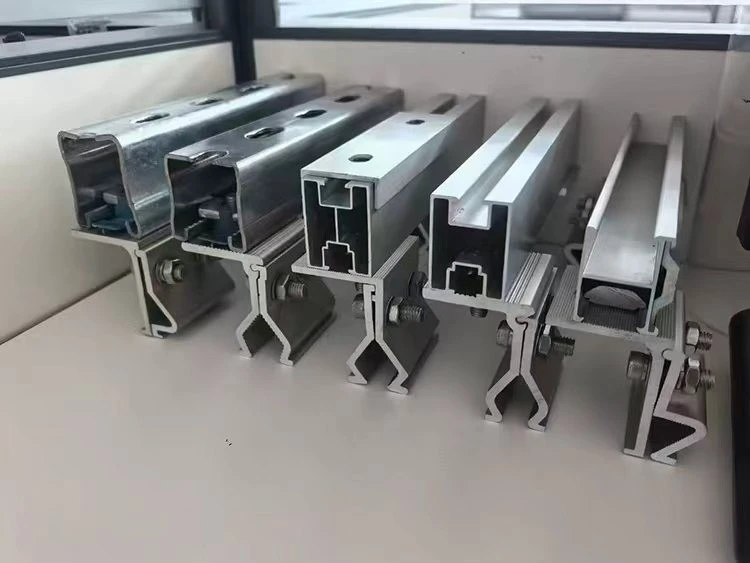
As a clamp supplier, we offer a variety of high-quality burette clamps to meet different needs. For example, our Aluminum Alloy Clamp is lightweight yet durable, making it a great choice for general titration work. Our Aluminum Alloy Solar Roof Clamp is designed with special features to ensure stability in outdoor or more challenging environments. And our Color Steel Tile Roof Clamp is ideal for specific applications where a more robust clamp is required.
Choosing the Right Burette Clamp
When choosing a burette clamp, there are a few factors to consider:
- Compatibility: Make sure the clamp is compatible with the size and shape of your burette. Different burettes may have different diameters, so you need to choose a clamp that can securely hold your specific burette.
- Material: The material of the clamp is important. It should be strong enough to hold the burette securely but also resistant to corrosion and chemical damage. Aluminum alloy clamps, for example, are a popular choice because they are lightweight, strong, and resistant to rust.
- Ease of Use: Look for a clamp that is easy to operate. You want to be able to quickly attach and detach the burette without having to struggle with complicated mechanisms.
Maintaining Your Burette Clamp
To ensure the longevity and performance of your burette clamp, it's important to take proper care of it. Here are some tips:
- Clean Regularly: After each use, clean the clamp to remove any chemical residues or dirt. You can use a mild detergent and water to clean it, and then dry it thoroughly.
- Lubricate Moving Parts: If your clamp has moving parts, such as a screw or a spring, lubricate them periodically to ensure smooth operation.
- Store Properly: When not in use, store the clamp in a dry place to prevent corrosion.
Conclusion
In conclusion, the burette clamp plays a vital role in titration. It provides stability, safety, and ease of use, all of which are essential for accurate and successful titration experiments. As a clamp supplier, we understand the importance of high-quality clamps in the laboratory. Whether you're a student, a researcher, or a professional chemist, having the right burette clamp can make a big difference in your work.

If you're interested in purchasing high-quality burette clamps or other types of clamps for your laboratory needs, we'd love to hear from you. Contact us to discuss your requirements and start a procurement negotiation. We're committed to providing you with the best products and services to meet your needs.
References
- Harris, D. C. (2015). Quantitative Chemical Analysis. W. H. Freeman and Company.
- Skoog, D. A., West, D. M., & Holler, F. J. (2013). Fundamentals of Analytical Chemistry. Cengage Learning.