

Hey there! As a supplier of ERW galvanized pipes, I often get asked about the radiation - resistance properties of these pipes. So, I thought I'd take some time to break it down for you all.
First off, let's talk a bit about what ERW galvanized pipes are. ERW stands for Electric Resistance Welded. These pipes are made by rolling a flat steel strip and then welding the edges together using electrical resistance. The galvanization process involves coating the pipe with a layer of zinc. This zinc coating serves multiple purposes, like protecting the pipe from corrosion and enhancing its durability.
Now, when it comes to radiation resistance, it's important to understand the different types of radiation. There are mainly three types: alpha, beta, and gamma radiation.
Alpha radiation consists of alpha particles, which are relatively large and heavy. They don't penetrate very far and can be stopped by a sheet of paper or even the outer layer of your skin. In the case of ERW galvanized pipes, the zinc coating and the steel base material can easily block alpha particles. The zinc layer acts as a physical barrier, and the steel itself is dense enough to prevent the passage of these large particles.
Beta radiation is made up of beta particles, which are electrons or positrons. These particles are much smaller and more penetrating than alpha particles. They can penetrate through a few millimeters of plastic or a thin sheet of metal. ERW galvanized pipes offer a good level of protection against beta radiation. The steel in the pipe has a certain density that can absorb a significant amount of beta particles. The zinc coating also contributes to the overall shielding effect. It can interact with the beta particles and reduce their energy, thus minimizing their penetration.

Gamma radiation, on the other hand, is a form of electromagnetic radiation. It's highly penetrating and can pass through thick layers of materials. ERW galvanized pipes alone are not sufficient to completely block gamma radiation. However, they can still provide some level of attenuation. The steel in the pipe has a high atomic number, which means it can interact with gamma rays through processes like Compton scattering and photoelectric absorption. The zinc coating also adds to the overall mass of the pipe, which helps in reducing the intensity of the gamma rays to some extent.
One of the factors that affect the radiation - resistance properties of ERW galvanized pipes is the thickness of the pipe. A thicker pipe will generally offer better shielding against all types of radiation. The more material there is for the radiation to pass through, the more likely it is that the particles or rays will be absorbed or scattered.
The quality of the galvanization also plays a role. A well - applied zinc coating will provide a more uniform and continuous barrier. This is important because any gaps or thin spots in the coating could allow radiation to pass through more easily.
Now, let's compare ERW galvanized pipes with some other types of pipes in terms of radiation resistance. For instance, Spiral Steel Pipe is another popular type of steel pipe. Spiral steel pipes are made by spirally winding a steel strip and welding the seams. In terms of radiation resistance, they are similar to ERW galvanized pipes. Both are made of steel, which is a good shielding material. However, the manufacturing process of spiral steel pipes might result in some differences in the density and uniformity of the pipe wall, which could potentially affect the shielding performance.
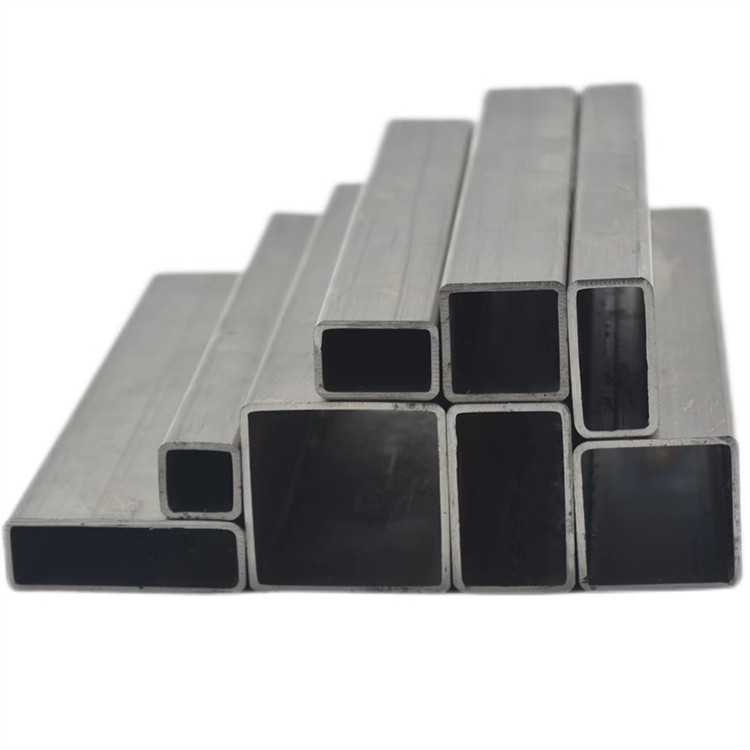
HDG Square Steel Pipe and Rectangular Steel Pipe also have their own characteristics. The square and rectangular shapes can offer different installation options and structural advantages. In terms of radiation resistance, they are comparable to ERW galvanized pipes. The steel and zinc coating work together to provide shielding against alpha and beta radiation, and some attenuation of gamma radiation.
In industrial applications where radiation protection is required, ERW galvanized pipes can be used in various ways. For example, in nuclear power plants, they can be used in secondary systems where the radiation levels are relatively low. They can also be used in research facilities or areas where there is a risk of exposure to low - level radiation.
If you're in the market for pipes with good radiation - resistance properties, ERW galvanized pipes are definitely worth considering. They offer a combination of durability, corrosion resistance, and a reasonable level of radiation shielding. And as a supplier, I can provide you with high - quality ERW galvanized pipes that meet your specific requirements.
Whether you need pipes for a small - scale project or a large industrial application, I'm here to help. I can offer different sizes, thicknesses, and specifications to ensure that you get the right pipes for your needs. If you're interested in purchasing ERW galvanized pipes or have any questions about their radiation - resistance properties, feel free to reach out. We can have a detailed discussion about your project and find the best solutions together.
In conclusion, ERW galvanized pipes have decent radiation - resistance properties, especially against alpha and beta radiation. While they can't completely block gamma radiation, they can still provide some level of protection. Their combination of steel and zinc coating makes them a reliable choice for many applications where radiation shielding is a concern. So, if you're looking for a pipe that offers both durability and radiation protection, give ERW galvanized pipes a try.
References:
- "Radiation Protection: Principles and Practice" by J. E. Turner
- "Handbook of Steel Pipe Engineering"