

In the food - related industries, ensuring the hygiene of coiled plates is of utmost importance. As a coiled plate supplier, I understand the critical role that clean and hygienic coiled plates play in maintaining the safety and quality of food products. This blog post will delve into the various aspects of ensuring the hygiene of coiled plates in food - related industries, covering everything from raw material selection to post - installation maintenance.
Raw Material Selection
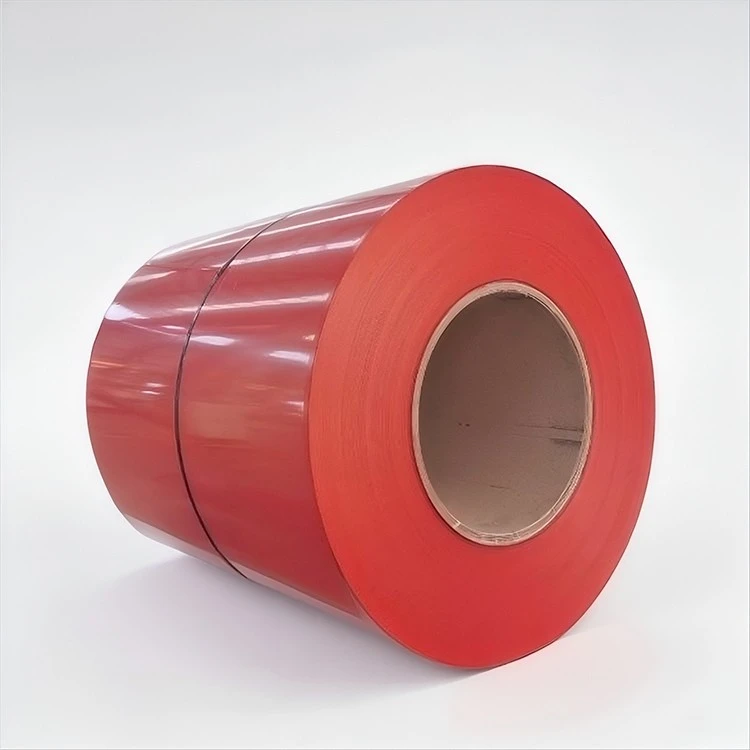
The first step in ensuring the hygiene of coiled plates is the careful selection of raw materials. Different types of coiled plates, such as Color Coated Coil, Aluminum Coil, and Zinc - Aluminum - Magnesium Coil, have their own characteristics and suitability for food - related applications.
For food - contact surfaces, materials that are non - toxic, corrosion - resistant, and easy to clean are preferred. Stainless steel is a popular choice due to its excellent corrosion resistance and smooth surface, which makes it difficult for bacteria and other contaminants to adhere. Aluminum coils are also widely used because of their lightweight, good thermal conductivity, and resistance to oxidation. When selecting raw materials, it is essential to ensure that they meet relevant food safety standards and regulations.
Manufacturing Process
The manufacturing process of coiled plates has a significant impact on their hygiene. During the production, strict quality control measures should be in place to prevent contamination. For example, the production environment should be kept clean and dust - free. Workers should wear appropriate protective clothing, such as gloves and masks, to avoid introducing foreign particles to the coiled plates.
The forming and processing operations, such as rolling, cutting, and welding, should be carried out with precision to ensure a smooth and seamless surface. Rough edges or uneven surfaces can trap dirt and bacteria, making it difficult to clean. After each processing step, the coiled plates should be thoroughly cleaned to remove any debris or lubricants used in the process.
Packaging and Transportation
Proper packaging and transportation are crucial to maintaining the hygiene of coiled plates. The coiled plates should be packaged in a way that protects them from dust, moisture, and physical damage during transit. Plastic wraps or protective coatings can be used to prevent the plates from coming into contact with contaminants.
During transportation, the coiled plates should be stored in a clean and dry environment. If possible, they should be transported in enclosed containers to avoid exposure to the elements. It is also important to ensure that the transportation vehicles are clean and free from any potential sources of contamination.
Installation and Design
When installing coiled plates in food - related facilities, proper design and installation techniques are essential. The coiled plates should be installed in a way that allows for easy access and cleaning. There should be no hidden corners or crevices where dirt and bacteria can accumulate.
The joints and connections between the coiled plates should be sealed properly to prevent the ingress of moisture and contaminants. Gaskets and seals made of food - grade materials should be used to ensure a tight and hygienic fit. Additionally, the layout of the coiled plates should facilitate proper drainage to prevent the accumulation of water, which can promote the growth of bacteria.
Cleaning and Sanitization
Regular cleaning and sanitization are the cornerstones of maintaining the hygiene of coiled plates in food - related industries. A well - defined cleaning schedule should be established, and appropriate cleaning agents and methods should be used.
For routine cleaning, mild detergents and warm water can be used to remove dirt and grease from the surface of the coiled plates. High - pressure water jets can be employed to clean hard - to - reach areas. After cleaning, the coiled plates should be rinsed thoroughly to remove any residue from the cleaning agents.
Sanitization is a more intensive process that involves the use of disinfectants to kill bacteria and other microorganisms. Food - grade sanitizers should be selected, and the application should follow the manufacturer's instructions. The contact time between the sanitizer and the coiled plates is also crucial to ensure effective disinfection.
Monitoring and Inspection
Regular monitoring and inspection are necessary to ensure that the coiled plates remain hygienic. Visual inspections can be carried out to check for signs of damage, corrosion, or contamination. Microbiological testing can also be performed periodically to detect the presence of harmful bacteria.
Any issues identified during the monitoring and inspection process should be addressed immediately. Minor damages can be repaired, and if necessary, the coiled plates should be replaced to prevent further contamination.
Employee Training
Employees who work with coiled plates in food - related industries should receive proper training on hygiene and food safety. They should be educated on the importance of maintaining the hygiene of coiled plates and the correct procedures for cleaning, sanitizing, and handling them.
Training should cover topics such as personal hygiene, proper use of cleaning agents, and the identification of potential contamination sources. By ensuring that employees are well - informed and trained, the overall hygiene level of the coiled plates can be significantly improved.
Regulatory Compliance
Complying with relevant food safety regulations and standards is non - negotiable in the food - related industries. As a coiled plate supplier, it is our responsibility to ensure that our products meet all applicable regulatory requirements. These regulations may vary from country to country, but they generally cover aspects such as material safety, manufacturing processes, and labeling.
Staying updated with the latest regulatory changes and ensuring that our products are in full compliance is essential for the long - term success of our business and the safety of the food products that come into contact with our coiled plates.
Conclusion
Ensuring the hygiene of coiled plates in food - related industries is a comprehensive process that involves every stage from raw material selection to post - installation maintenance. By paying attention to the details in each step, we can provide coiled plates that meet the highest standards of hygiene and safety.
If you are in the food - related industry and are looking for high - quality and hygienic coiled plates, we are here to help. Our team of experts can provide you with professional advice and customized solutions to meet your specific needs. Contact us to start a procurement discussion and take the first step towards ensuring the safety and quality of your food products.

References
- "Food Safety Standards for Packaging Materials", International Food Safety Council
- "Best Practices in Coiled Plate Manufacturing for Food - Related Applications", Journal of Food Processing Technology
- "Cleaning and Sanitization in the Food Industry", Food Science and Technology Association