

Hey there! As a supplier of Gi Pipe Seamless, I've had my fair share of experiences with these pipes. They're pretty popular in the market, but like any product, they've got their limitations. Let's dive right in and take a closer look.
Cost Considerations
One of the first things that comes to mind when talking about Gi Pipe Seamless is the cost. These pipes are generally more expensive than their welded counterparts. The seamless manufacturing process involves a lot of high - tech equipment and precise techniques. You've got to heat the steel billets to extremely high temperatures and then use a piercing rod to create that seamless tube. All these steps add up in terms of production cost, and that cost is ultimately passed on to the customers.
If you're on a tight budget for a construction project, you might find yourself having to re - evaluate your choice of using Gi Pipe Seamless. For instance, if you're building a small - scale structure where the pressure requirements aren't too high, you could consider using Straight Seam Steel Pipe. It can often do the job just fine at a lower cost.
Size Limitations
Another limitation is the size. While Gi Pipe Seamless is available in a wide range of sizes, there are still some restrictions. Producing extremely large - diameter seamless pipes is a real challenge. The manufacturing process has its physical limits when it comes to handling and shaping large steel billets.
For very large - scale projects that require big - diameter pipes, you might have to look into alternative options like Hollow Section Square Pipe or Rectangular Steel Pipe. These can be fabricated in larger sizes more easily and might be a better fit for your project's needs.
Availability
Availability can also be an issue. Since the production of Gi Pipe Seamless is a bit more complex compared to other types of pipes, there might be times when the supply is limited. If there's a sudden surge in demand, manufacturers might not be able to ramp up production quickly enough.
This can cause delays in your project. You might have to wait weeks or even months for the pipes to be delivered, which can throw off your construction schedule. In such cases, it's a good idea to plan ahead and place your orders well in advance. You can also keep an eye on the market trends to anticipate any potential shortages.
Corrosion in Harsh Environments
Even though Gi Pipe Seamless is galvanized, which gives it a certain level of corrosion resistance, it's not completely immune to corrosion, especially in harsh environments. If the pipes are exposed to highly acidic or alkaline substances, the galvanized coating can wear off over time.
For example, in industrial settings where there are a lot of chemicals in the air or water, the pipes might start to corrode. In marine environments, the saltwater can also take a toll on the pipes. You might need to apply additional protective coatings or take other corrosion - prevention measures, which adds to the overall cost and maintenance of the pipes.
Difficulty in Welding
Welding Gi Pipe Seamless can be a bit tricky. The seamless nature of the pipe means that the internal structure is more uniform compared to welded pipes. When you try to weld these pipes, you need to be extra careful to ensure a strong and reliable joint.
If the welding is not done correctly, it can lead to weak spots in the pipe, which can cause leaks or failures down the line. You might need to hire highly skilled welders and use specialized welding techniques, which again adds to the cost of the project.
Limited Customization
When it comes to customization, Gi Pipe Seamless has its limitations. Since the manufacturing process is quite standardized, it can be difficult to make significant changes to the pipe's specifications.
For example, if you need a pipe with a very specific wall thickness or a unique shape, it might not be easy to get it. You might have to work with the standard sizes and specifications available in the market, which might not always meet your exact requirements.
Despite the Limitations...
Now, don't get me wrong. Gi Pipe Seamless still has a lot of advantages. It's known for its high strength, good pressure - bearing capacity, and smooth internal surface, which makes it ideal for many applications like oil and gas transportation, water supply systems, and mechanical engineering.
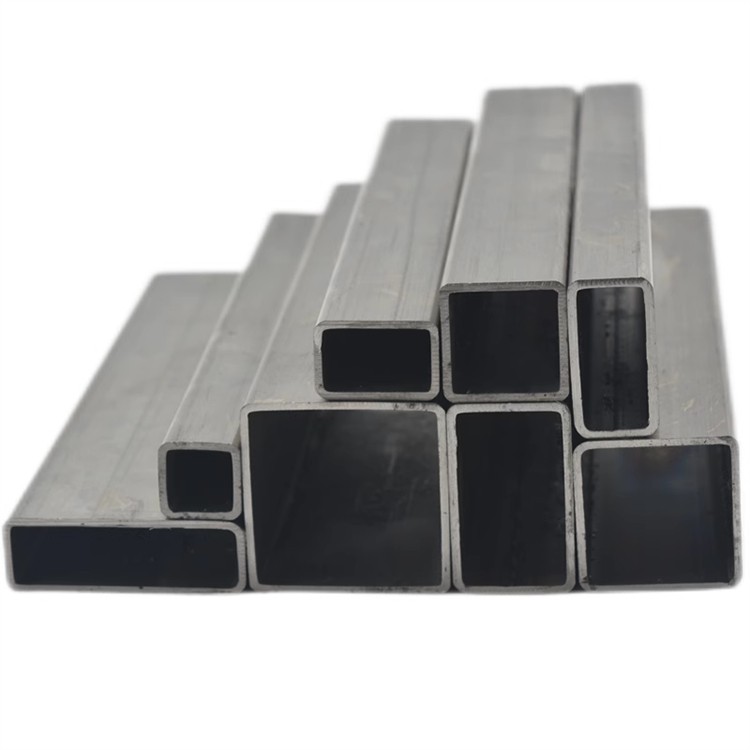

If you're in an industry where these qualities are crucial, the limitations I've mentioned might be worth overlooking. And as a supplier, I'm always here to help you make the best decision for your project.
Time to Get in Touch
If you're thinking about using Gi Pipe Seamless for your next project, or if you've got any questions about these limitations or other aspects of the pipes, don't hesitate to reach out. I can provide you with more detailed information, offer advice on choosing the right pipes, and even give you a competitive quote.
Let's have a chat and see how we can work together to make your project a success. Whether you're a contractor, an engineer, or someone involved in a DIY project, I'm here to assist you every step of the way.
References
- "Steel Pipe Handbook" - A comprehensive guide on different types of steel pipes and their manufacturing processes.
- Industry reports on the steel pipe market, which provide insights into the supply and demand dynamics of Gi Pipe Seamless.