

Power generation is a cornerstone of modern civilization, fueling industries, homes, and technological advancements. In this complex ecosystem, steel pipes play an indispensable role. As a steel pipe supplier, I've witnessed firsthand the diverse applications and critical importance of steel pipes in power generation. This blog will explore the various uses of steel pipes in power generation, highlighting their significance and the types of pipes commonly employed.
Steam Generation in Thermal Power Plants
Thermal power plants, which include coal - fired, natural gas - fired, and nuclear power plants, rely on steam generation to produce electricity. Steel pipes are fundamental in this process. High - pressure and high - temperature steam is generated in boilers, and steel pipes are used to transfer water to the boiler tubes. These pipes must be able to withstand extreme conditions, including high pressures and temperatures.
For instance, seamless steel pipes are often used in the boiler's water - wall tubes. The seamless design eliminates the risk of leakage at the seams, ensuring the safe and efficient transfer of water and steam. These pipes are made from high - quality steel alloys that can resist corrosion and oxidation at high temperatures. The Gi Pipe Seamless is a prime example of a product suitable for such applications. Its seamless construction and galvanized coating provide excellent durability and corrosion resistance, making it ideal for the harsh environment of a power plant boiler.
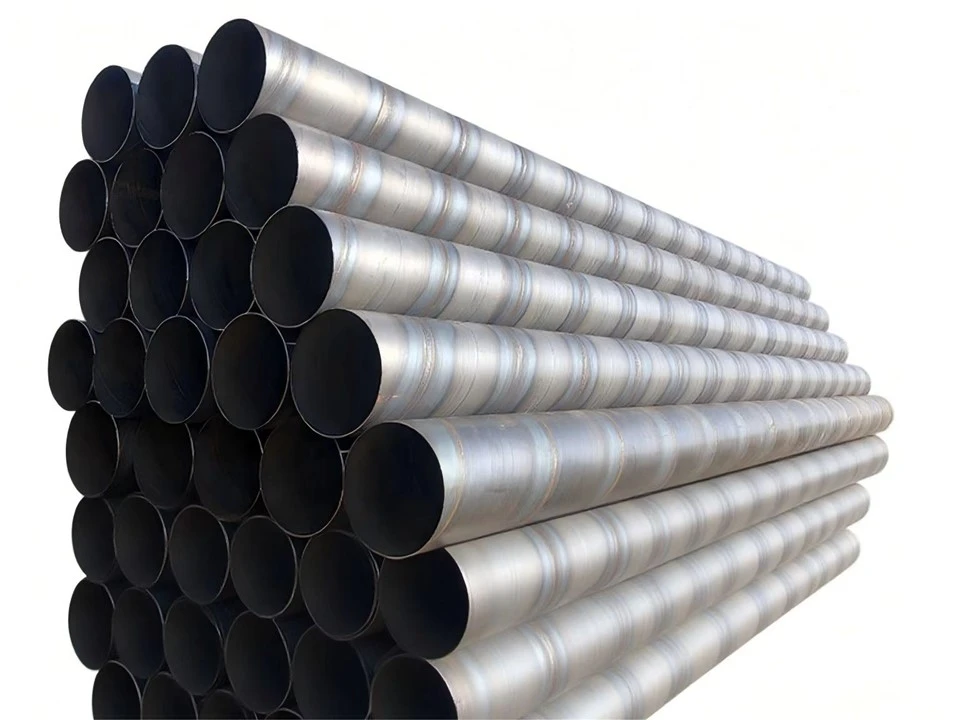
Once the steam is generated, it is transported through large - diameter steel pipes to the steam turbines. These pipes need to maintain the steam's pressure and temperature while minimizing heat loss. Spiral steel pipes are commonly used for this purpose. The Spiral Steel Pipe offers high strength and can be manufactured in large diameters, which is essential for transporting large volumes of steam. Its spiral weld provides additional strength, allowing it to withstand the high pressures associated with steam transportation.
Cooling Systems in Power Plants
Power plants require efficient cooling systems to maintain optimal operating temperatures. Steel pipes are used extensively in these systems. In once - through cooling systems, large - diameter steel pipes are used to intake water from a nearby water source, such as a river or a lake. The water is then circulated through the power plant to absorb heat from various components, including condensers and turbines.
ERW (Electric Resistance Welded) galvanized pipes are commonly used in cooling systems. The Erw Galvanized Pipe is corrosion - resistant, which is crucial when dealing with water that may contain various impurities. The galvanized coating protects the pipe from rust and corrosion, extending its service life. These pipes are also relatively easy to install and can be customized to fit the specific requirements of a power plant's cooling system.
After the water has absorbed heat, it is discharged back into the water source through another set of steel pipes. These pipes must be able to handle the flow of warm water and resist the effects of corrosion and erosion caused by the water's movement. Steel pipes with appropriate wall thickness and material properties are selected to ensure long - term reliability.
Geothermal Power Generation
Geothermal power plants harness the Earth's natural heat to generate electricity. Steel pipes are used to extract hot water or steam from underground reservoirs. These pipes need to withstand high temperatures, high pressures, and the corrosive nature of geothermal fluids.
In geothermal applications, specialized steel pipes are often used. They are made from alloys that can resist the chemical reactions caused by the geothermal fluids, which may contain sulfur, salts, and other corrosive substances. The pipes are also designed to handle the high pressures associated with deep - well extraction. Steel pipes play a crucial role in transporting the geothermal fluid from the wellhead to the power plant, where it is used to generate steam and drive turbines.
Hydroelectric Power Generation
In hydroelectric power plants, steel pipes are used in penstocks. Penstocks are large - diameter pipes that carry water from the reservoir to the turbines. These pipes need to withstand high water pressures and the forces exerted by the flowing water. Steel pipes are preferred for penstocks due to their high strength and durability.
The construction of penstocks requires large - diameter, thick - walled steel pipes. The pipes are often welded together on - site to form a continuous conduit for the water. Spiral steel pipes can be a cost - effective option for penstocks, as they can be manufactured in large diameters and offer sufficient strength to handle the water pressure.

Wind Power Generation
Although wind power generation may not seem to rely as heavily on steel pipes as other power generation methods, they still play a role. Steel pipes are used in the construction of wind turbine towers. The towers need to support the weight of the turbine and withstand the forces of wind and weather.
Seamless steel pipes are commonly used in the construction of wind turbine towers. Their high strength - to - weight ratio makes them ideal for this application. The pipes are fabricated into sections and then assembled on - site. The use of steel pipes in wind turbine towers ensures the stability and longevity of the structures, allowing them to operate safely and efficiently for many years.
Importance of Quality Steel Pipes in Power Generation
The reliability and efficiency of power generation depend significantly on the quality of the steel pipes used. Inferior quality pipes can lead to leaks, corrosion, and other failures, which can result in costly downtime and safety hazards. As a steel pipe supplier, I understand the importance of providing high - quality products that meet the strict requirements of the power generation industry.
We source our steel from reputable mills and subject our products to rigorous quality control measures. Our pipes are tested for strength, durability, and corrosion resistance to ensure they can perform under the demanding conditions of power generation. Whether it's a small - diameter pipe for a cooling system or a large - diameter penstock for a hydroelectric plant, we have the expertise and resources to provide the right solution.
Contact for Procurement
If you are involved in power generation and are in need of high - quality steel pipes, I encourage you to contact us. We have a wide range of steel pipes available, including Spiral Steel Pipe, Erw Galvanized Pipe, and Gi Pipe Seamless. Our team of experts can help you select the right pipes for your specific application and provide you with competitive pricing and excellent customer service. Let's work together to ensure the reliable and efficient operation of your power generation facilities.
References
- "Power Generation Technologies" by John Wiley & Sons.
- "Handbook of Steel Pipe Engineering" by ASME Press.
- Industry reports on power generation and steel pipe applications.