

As a seasoned steel pipe supplier, I often encounter inquiries about the thermal conductivity of steel pipes. Understanding this property is crucial for various applications, from industrial processes to building construction. In this blog, I'll delve into the concept of thermal conductivity, explore how it applies to steel pipes, and discuss its implications for different industries.
What is Thermal Conductivity?
Thermal conductivity is a measure of a material's ability to conduct heat. It is defined as the quantity of heat (in watts) that passes through a unit area (in square meters) of a material of unit thickness (in meters) in one second when there is a temperature difference of one kelvin between the two surfaces of the material. The SI unit of thermal conductivity is watts per meter-kelvin (W/(m·K)).
Materials with high thermal conductivity transfer heat quickly, while those with low thermal conductivity are good insulators. For example, metals like copper and aluminum have high thermal conductivities, making them suitable for heat exchangers and electrical wiring. On the other hand, materials like wood and plastic have low thermal conductivities and are used for insulation purposes.
Thermal Conductivity of Steel Pipes
Steel is an alloy primarily composed of iron and carbon, with small amounts of other elements such as manganese, silicon, and sulfur. The thermal conductivity of steel depends on several factors, including its composition, temperature, and microstructure.
The thermal conductivity of pure iron at room temperature (20°C) is approximately 80 W/(m·K). However, the addition of carbon and other alloying elements can significantly affect the thermal conductivity of steel. Generally, as the carbon content increases, the thermal conductivity of steel decreases. This is because carbon atoms disrupt the regular lattice structure of iron, making it more difficult for heat to be conducted through the material.

In addition to composition, temperature also plays a significant role in the thermal conductivity of steel. As the temperature increases, the thermal conductivity of steel generally decreases. This is due to the increased vibration of atoms in the lattice structure, which impedes the flow of heat.
The thermal conductivity of steel pipes typically ranges from 40 to 60 W/(m·K) at room temperature. However, this value can vary depending on the specific type of steel, the manufacturing process, and the presence of any coatings or linings.
Types of Steel Pipes and Their Thermal Conductivity
There are several types of steel pipes available in the market, each with its own unique properties and applications. Here are some common types of steel pipes and their typical thermal conductivity values:
- Straight Seam Steel Pipe: Straight seam steel pipes are manufactured by welding a steel plate along its length. They are commonly used in applications where high strength and durability are required, such as oil and gas pipelines, structural supports, and water supply systems. The thermal conductivity of straight seam steel pipes is similar to that of other types of steel pipes, typically ranging from 40 to 60 W/(m·K).
- Rectangular Steel Pipe: Rectangular steel pipes are used in a variety of applications, including building construction, furniture manufacturing, and automotive industry. They are available in different sizes and thicknesses, and their thermal conductivity is also in the range of 40 to 60 W/(m·K).
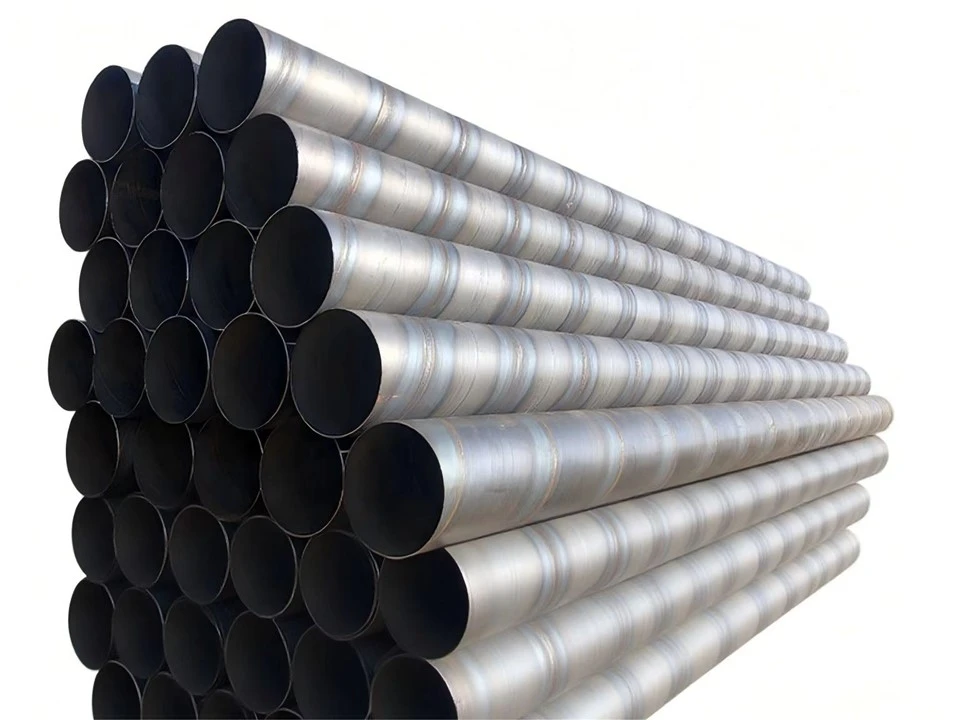
- Spiral Steel Pipe: Spiral steel pipes are manufactured by spirally welding a steel strip. They are commonly used in large-diameter pipelines, such as those for transporting oil, gas, and water. The thermal conductivity of spiral steel pipes is similar to that of straight seam steel pipes, typically ranging from 40 to 60 W/(m·K).
Applications of Steel Pipes Based on Thermal Conductivity
The thermal conductivity of steel pipes makes them suitable for a wide range of applications. Here are some examples:
- Heat Exchangers: Steel pipes are commonly used in heat exchangers, which are devices used to transfer heat between two fluids. The high thermal conductivity of steel allows for efficient heat transfer, making it an ideal material for this application.
- Steam Pipelines: Steam pipelines are used to transport steam from a boiler to various industrial processes. The high thermal conductivity of steel pipes ensures that the steam retains its heat energy during transportation, minimizing energy losses.
- Building Construction: Steel pipes are used in building construction for structural support, as well as for plumbing and heating systems. The thermal conductivity of steel pipes allows for efficient heat transfer in heating systems, ensuring that buildings are kept warm during the winter months.
- Industrial Processes: Steel pipes are used in a variety of industrial processes, such as chemical manufacturing, food processing, and power generation. The high thermal conductivity of steel pipes allows for efficient heat transfer in these processes, improving productivity and reducing energy consumption.
Importance of Thermal Conductivity in Steel Pipe Selection
When selecting steel pipes for a specific application, it is important to consider the thermal conductivity of the material. The thermal conductivity of steel pipes can affect the efficiency of heat transfer, the energy consumption of a system, and the overall performance of the application.
For applications where high heat transfer efficiency is required, such as heat exchangers and steam pipelines, steel pipes with high thermal conductivity are preferred. On the other hand, for applications where insulation is required, such as in cold storage facilities or underground pipelines, steel pipes with low thermal conductivity may be more suitable.
In addition to thermal conductivity, other factors such as strength, corrosion resistance, and cost should also be considered when selecting steel pipes. It is important to work with a reputable steel pipe supplier who can provide expert advice and guidance on the selection of the right steel pipes for your specific application.
Conclusion
In conclusion, the thermal conductivity of steel pipes is an important property that affects their performance in various applications. The thermal conductivity of steel depends on several factors, including its composition, temperature, and microstructure. The thermal conductivity of steel pipes typically ranges from 40 to 60 W/(m·K) at room temperature, making them suitable for a wide range of applications where efficient heat transfer is required.
As a steel pipe supplier, I understand the importance of providing high-quality steel pipes that meet the specific requirements of my customers. Whether you need straight seam steel pipes, rectangular steel pipes, or spiral steel pipes, I can offer a wide range of products with excellent thermal conductivity and other properties.
If you are interested in purchasing steel pipes for your project, I encourage you to contact me to discuss your requirements. I will be happy to provide you with detailed information about our products, including their thermal conductivity, and help you select the right steel pipes for your application.
References
- Incropera, F. P., & DeWitt, D. P. (2002). Fundamentals of Heat and Mass Transfer. Wiley.
- Holman, J. P. (2010). Heat Transfer. McGraw-Hill.
- ASM Handbook, Volume 1: Properties and Selection: Irons, Steels, and High-Performance Alloys. ASM International.