

What is the service life of an aluminum alloy guide rail?
As a supplier of Aluminum Alloy Guide Rail, I've been frequently asked about the service life of these guide rails. It's a crucial question, especially for customers who are making long - term investments in projects that rely on these components. In this blog, I'll delve into the factors that influence the service life of aluminum alloy guide rails and provide some insights based on industry experience and research.
1. Composition and Quality of Aluminum Alloy
The service life of an aluminum alloy guide rail starts with its composition. Different alloying elements are added to aluminum to enhance its properties such as strength, corrosion resistance, and hardness. For example, alloys with a higher percentage of magnesium and silicon, like the 6061 - T6 alloy, are known for their excellent strength - to - weight ratio and good corrosion resistance. High - quality alloys are less likely to develop structural weaknesses over time, which directly translates into a longer service life.
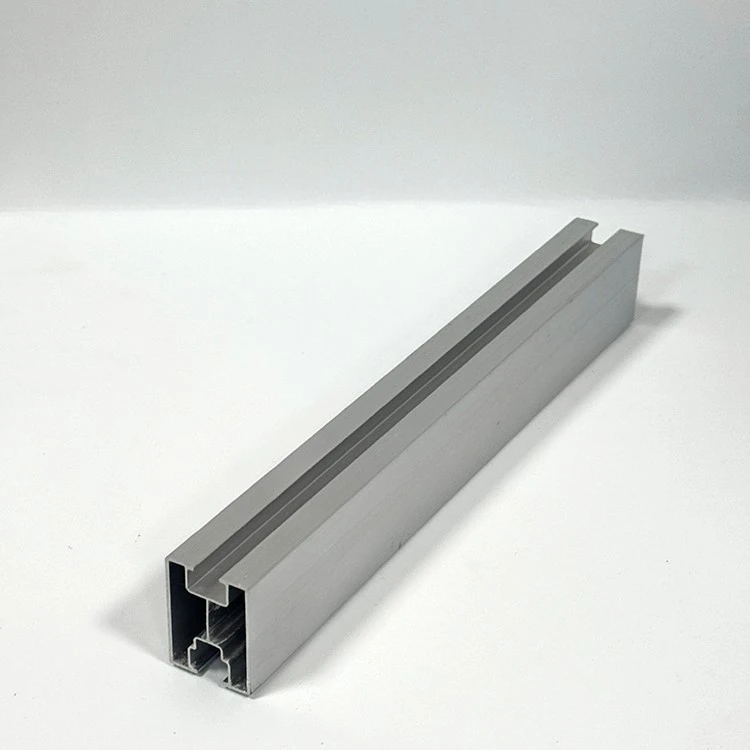
When we manufacture our Solar Panel Aluminum Guide Rail, we use premium - grade aluminum alloys. Our strict quality control measures ensure that the alloy composition meets the highest industry standards. This means that the guide rails are more resistant to wear and tear, and can withstand the test of time even in harsh environments.
2. Environmental Conditions
The environment in which the aluminum alloy guide rail is installed plays a significant role in determining its service life. Outdoor applications, such as in solar panel installations, expose the guide rails to a variety of environmental factors.
-
Corrosion: Aluminum is naturally resistant to corrosion due to the formation of a thin oxide layer on its surface. However, in environments with high humidity, saltwater, or industrial pollutants, this oxide layer can be compromised. For instance, in coastal areas, the salt in the air can accelerate the corrosion process. To combat this, our Solar Mounting Rail Solar Panel Mounting Rail Aluminum Alloy Rail is often treated with special coatings or anodized. Anodizing creates a thicker, more durable oxide layer that provides enhanced protection against corrosion.
-
Temperature Variations: Extreme temperature changes can cause the aluminum alloy to expand and contract. Over time, these repeated cycles of expansion and contraction can lead to stress on the guide rail, potentially causing cracks or deformation. In regions with large temperature differentials between day and night, it's essential to choose a guide rail that can handle these thermal stresses. Our guide rails are designed to have a high coefficient of thermal expansion that allows them to adapt to temperature changes without significant damage.
-
UV Exposure: Ultraviolet (UV) rays from the sun can also affect the surface of the aluminum alloy. Prolonged exposure to UV rays can cause the surface to fade, become brittle, and eventually lead to surface cracking. Our guide rails are formulated to resist UV degradation, ensuring that they maintain their structural integrity and appearance over a long period.

3. Load and Usage
The amount of load that the aluminum alloy guide rail is expected to bear and how it is used are important factors in determining its service life.
- Static Load: In applications where the guide rail supports a constant weight, such as in a solar panel mounting system, the static load capacity of the guide rail is crucial. If the load exceeds the design capacity of the guide rail, it can lead to permanent deformation or failure. Our guide rails are engineered to have a high static load - bearing capacity, ensuring that they can support the weight of solar panels and other associated equipment without issue.
- Dynamic Load: In some applications, the guide rail may be subjected to dynamic loads, such as vibrations or impacts. For example, in a moving machinery application, the guide rail needs to withstand the forces generated by the movement. Our guide rails are designed to absorb and distribute these dynamic loads effectively, reducing the risk of premature wear and failure.
4. Maintenance
Proper maintenance can significantly extend the service life of an aluminum alloy guide rail.
- Regular Inspections: Periodic inspections can help detect any signs of damage, corrosion, or wear early on. By identifying and addressing these issues promptly, you can prevent them from escalating into more significant problems. For example, if a small area of corrosion is detected during an inspection, it can be treated before it spreads and compromises the integrity of the guide rail.
- Cleaning: Keeping the guide rail clean is also important. Dirt, debris, and other contaminants can accumulate on the surface of the guide rail, potentially causing abrasion or accelerating corrosion. Regular cleaning with a mild detergent and water can help remove these contaminants and maintain the surface finish of the guide rail.
Typical Service Life Expectations
Based on industry standards and our experience as a supplier, under normal environmental conditions and proper usage and maintenance, an aluminum alloy guide rail can have a service life of 20 - 30 years. In some cases, with high - quality alloys, excellent environmental protection, and minimal load stress, the service life can even exceed 30 years.
For example, in a well - maintained solar panel installation in a non - corrosive environment, our Solar Panel Aluminum Guide Rail has been known to last for over 25 years. However, in more challenging environments, such as coastal industrial areas, the service life may be reduced to 15 - 20 years if appropriate protective measures are not taken.
Conclusion
The service life of an aluminum alloy guide rail is influenced by a variety of factors, including alloy composition, environmental conditions, load and usage, and maintenance. As a supplier, we are committed to providing high - quality Aluminum Alloy Guide Rail products that are designed to withstand these challenges and offer a long service life.
If you are considering a project that requires aluminum alloy guide rails, we invite you to contact us for more information. Our team of experts can help you select the right guide rail for your specific application and provide guidance on installation, maintenance, and ensuring a long - lasting solution. Whether you are in the solar energy industry or other sectors that rely on guide rails, we are here to support your needs.
References
- Aluminum Association. (Year). Aluminum Design Manual.
- ASTM International. (Year). Standards for Aluminum Alloys.
- Industry reports on solar panel mounting systems and aluminum alloy applications.