

As a seasoned supplier of color coated coils, I've witnessed firsthand the critical role salt spray resistance plays in the performance and longevity of these products. In this blog, I'll delve into what salt spray resistance is, why it matters, and how it relates to our color coated coils.
Understanding Salt Spray Resistance
Salt spray resistance refers to a material's ability to withstand the corrosive effects of saltwater or salt - laden air. In the context of color coated coils, it is a measure of how well the coating and the underlying metal can resist rust and degradation when exposed to a salt - rich environment.
The salt spray test is a standardized method used to evaluate this resistance. In a salt spray chamber, a fine mist of saltwater solution (usually a 5% sodium chloride solution) is continuously sprayed onto the test specimens at a controlled temperature and humidity. The specimens are then inspected at regular intervals for signs of corrosion, such as rust spots, blistering, or peeling of the coating. The longer a specimen can go without showing significant signs of corrosion, the better its salt spray resistance.
Why Salt Spray Resistance Matters for Color Coated Coils
Outdoor Applications
Color coated coils are widely used in outdoor construction projects, such as roofing, wall cladding, and fencing. In coastal areas, where the air is filled with salt particles, the risk of corrosion is significantly higher. A color coated coil with poor salt spray resistance will quickly start to rust, which not only affects the aesthetic appeal of the building but also compromises its structural integrity. For example, a rusted roof may develop leaks, leading to water damage inside the building.
Long - Term Durability
Investing in a building is a long - term commitment. Building owners and contractors expect color coated coils to last for many years without significant maintenance. High salt spray resistance ensures that the coils can withstand the harsh environmental conditions over an extended period, reducing the need for frequent replacements and repairs. This translates into cost savings for the end - users in the long run.
Product Reputation
As a supplier, the salt spray resistance of our color coated coils directly impacts our reputation. Customers rely on us to provide high - quality products that can perform well in their intended applications. If our coils fail to meet the expected salt spray resistance standards, it can lead to customer dissatisfaction, negative reviews, and loss of business. On the other hand, coils with excellent salt spray resistance can enhance our brand image and help us build long - term relationships with customers.
Factors Affecting the Salt Spray Resistance of Color Coated Coils
Coating Thickness
The thickness of the color coating plays a crucial role in salt spray resistance. A thicker coating provides a better barrier between the metal substrate and the corrosive environment. It can slow down the penetration of saltwater and oxygen to the metal surface, thereby reducing the risk of corrosion. However, it's important to note that simply increasing the coating thickness is not always the best solution, as it can also affect other properties of the coil, such as flexibility and adhesion.
Coating Quality
The quality of the coating material itself is another important factor. High - quality coatings are formulated with special additives and pigments that enhance their resistance to corrosion. For example, some coatings contain anti - rust agents that can react with the metal surface to form a protective layer. Additionally, the application process of the coating also affects its quality. A well - applied coating with uniform thickness and good adhesion will have better salt spray resistance than a poorly applied one.
Metal Substrate
The type of metal used as the substrate also influences salt spray resistance. For instance, Zinc - Aluminum - Magnesium Coil has excellent corrosion resistance due to the unique properties of its alloy composition. The zinc, aluminum, and magnesium in the alloy form a dense and stable oxide layer on the surface, which acts as a barrier against corrosion. Similarly, Aluminum Coil is naturally resistant to corrosion because it forms a thin oxide layer when exposed to air. In contrast, traditional Galvanized Steel Sheet in Coil relies on the zinc coating to protect the steel from rust, and its salt spray resistance may vary depending on the thickness and quality of the zinc layer.
Our Approach to Ensuring High Salt Spray Resistance
At our company, we take several steps to ensure that our color coated coils have excellent salt spray resistance.
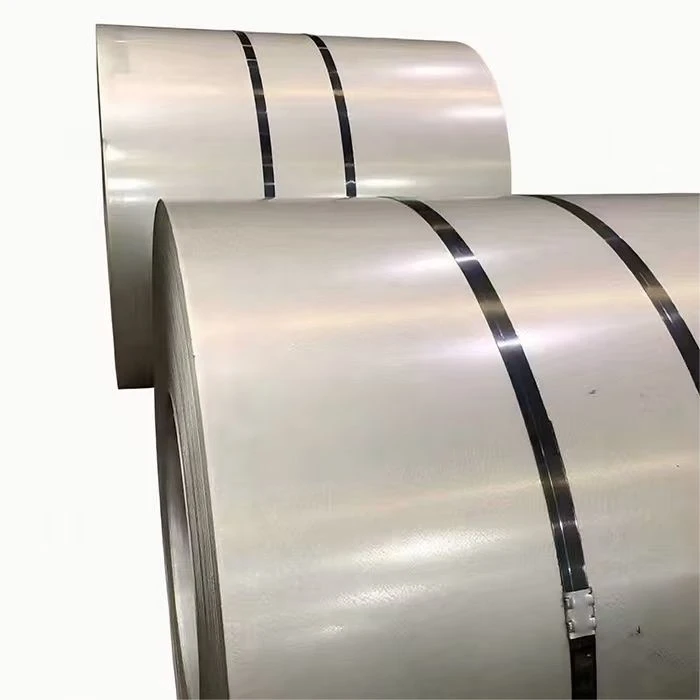

Material Selection
We carefully select the metal substrates and coating materials. We source high - quality Zinc - Aluminum - Magnesium Coil, Aluminum Coil, and Galvanized Steel Sheet in Coil from trusted suppliers. Our coating materials are formulated with advanced anti - corrosion additives and pigments to provide maximum protection.
Quality Control
We have a strict quality control system in place. Every batch of color coated coils undergoes rigorous salt spray testing before it is released to the market. We follow international standards, such as ASTM B117, to ensure the accuracy and reliability of our test results. Only coils that meet or exceed our salt spray resistance requirements are approved for sale.
Research and Development
We invest heavily in research and development to continuously improve the salt spray resistance of our products. Our team of experts is constantly exploring new coating technologies and alloy compositions to develop coils that can perform even better in harsh environments.
How to Choose Color Coated Coils with Good Salt Spray Resistance
Check the Test Reports
When purchasing color coated coils, ask the supplier for salt spray test reports. These reports will provide detailed information about the test conditions, duration, and the results. Look for coils that have passed long - term salt spray tests with minimal signs of corrosion.
Consider the Application Environment
If you're using the coils in a coastal area or other high - salt environments, choose coils with a higher level of salt spray resistance. Discuss your specific requirements with the supplier to ensure that you get the right product for your application.
Evaluate the Supplier's Reputation
A reputable supplier is more likely to provide high - quality color coated coils with good salt spray resistance. Look for suppliers with a proven track record in the industry, positive customer reviews, and certifications for quality management.
Conclusion
Salt spray resistance is a vital property of color coated coils, especially for outdoor applications in salt - rich environments. As a supplier, we are committed to providing our customers with color coated coils that have excellent salt spray resistance. By carefully selecting materials, implementing strict quality control measures, and investing in research and development, we ensure that our products meet the highest standards of performance and durability.
If you're in the market for color coated coils and have questions about salt spray resistance or our products, we'd love to hear from you. Contact us to discuss your specific requirements and start a procurement negotiation. We're here to help you find the perfect solution for your project.
References
- ASTM International. (2019). ASTM B117 - 19 Standard Practice for Operating Salt Spray (Fog) Apparatus.
- Metal Construction Association. (2020). Corrosion Resistance of Metal Building Materials.