

Hey there! As a supplier of Aluminum Alloy Guide Rails, I've seen my fair share of damaged guide rails over the years. And let me tell you, it can be a real headache for both us suppliers and our customers. But don't worry, I'm here to walk you through the process of repairing a damaged aluminum alloy guide rail.
Step 1: Assess the Damage
The first thing you need to do is take a good look at the guide rail and figure out how bad the damage is. Is it just a small scratch or dent, or is it a major break? You can use a magnifying glass or a flashlight to get a better look at the damage. Check for any cracks, bends, or missing parts. If the damage is minor, you might be able to repair it yourself. But if it's severe, you might need to replace the entire guide rail.
Step 2: Gather Your Tools
Once you've assessed the damage, it's time to gather the tools you'll need for the repair. Here's a list of some common tools you might need:

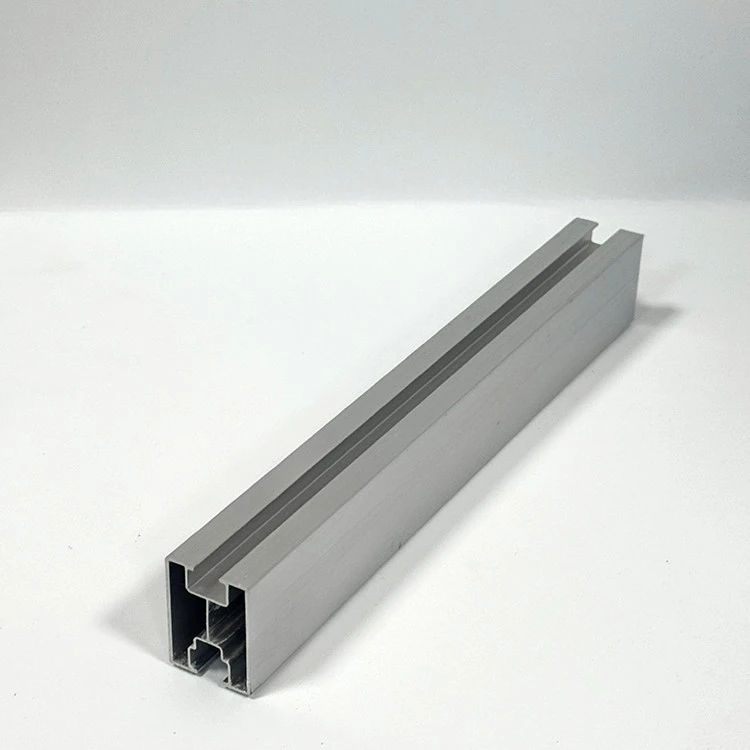
- Safety glasses and gloves
- Measuring tape
- File or sandpaper
- Welding equipment (if needed)
- Aluminum alloy filler rods (if welding)
- Clamps
- Screwdriver or wrench
- Paint or coating (if you want to touch up the finish)
Make sure you have all the tools you need before you start the repair. It's also a good idea to read the instructions that come with your tools to make sure you're using them correctly.
Step 3: Clean the Guide Rail
Before you start the repair, you need to clean the guide rail to remove any dirt, grease, or debris. You can use a mild detergent and water to clean the guide rail. Make sure you dry it thoroughly before you start the repair. Cleaning the guide rail will help the repair materials adhere better and ensure a stronger repair.
Step 4: Repair Minor Damage
If the damage is minor, such as a small scratch or dent, you can usually repair it without welding. Here's how:
- For scratches: Use a file or sandpaper to smooth out the scratch. Start with a coarse grit sandpaper and then finish with a fine grit sandpaper to give the guide rail a smooth finish.
- For dents: You can use a hammer and a block of wood to gently tap out the dent. Place the block of wood over the dent and then tap the wood with the hammer. Be careful not to hit the guide rail directly with the hammer, as this could cause more damage.
Once you've repaired the minor damage, you can touch up the finish with paint or a coating to match the rest of the guide rail.
Step 5: Repair Major Damage
If the damage is major, such as a crack or a break, you might need to weld the guide rail. Here's how:
- Prepare the welding area: Use a file or sandpaper to clean the edges of the crack or break. Make sure the edges are smooth and free of any dirt or debris.
- Weld the guide rail: Use a welding machine and aluminum alloy filler rods to weld the guide rail. Follow the instructions that come with your welding machine to set the correct welding parameters. Make sure you wear safety glasses and gloves when welding.
- Finish the weld: Once you've welded the guide rail, use a file or sandpaper to smooth out the weld. Make sure the weld is flush with the rest of the guide rail.
After you've repaired the major damage, you might need to heat-treat the guide rail to restore its strength. This is a more advanced repair technique, so if you're not sure how to do it, it's best to consult a professional.
Step 6: Test the Guide Rail
Once you've repaired the guide rail, it's important to test it to make sure it's working properly. You can do this by sliding a test object along the guide rail. Make sure the test object moves smoothly and without any resistance. If the guide rail doesn't work properly, you might need to make some adjustments or repeat the repair process.
Step 7: Prevent Future Damage
To prevent future damage to your aluminum alloy guide rail, here are some tips:
- Keep the guide rail clean: Regularly clean the guide rail to remove any dirt, grease, or debris. This will help prevent corrosion and wear.
- Lubricate the guide rail: Use a lubricant to keep the guide rail moving smoothly. This will help reduce friction and wear.
- Avoid overloading the guide rail: Make sure you don't exceed the weight capacity of the guide rail. Overloading the guide rail can cause it to bend or break.
- Inspect the guide rail regularly: Check the guide rail for any signs of damage or wear. If you notice any problems, repair them as soon as possible.
As a supplier of Aluminum Alloy Guide Rail, we also offer other types of guide rails, such as Solar Mounting Rail Solar Panel Mounting Rail Aluminum Alloy Rail and Zinc-Aluminum-Magnesium Guide Rail. These guide rails are widely used in various industries and applications.
If you're in the market for high-quality guide rails or need more information about guide rail repair, feel free to reach out to us. We're always happy to help you find the right solution for your needs. Whether you're a small business or a large corporation, we can provide you with the products and support you need.
References
- "Aluminum Alloy Handbook" - A comprehensive guide to the properties and applications of aluminum alloys.
- "Welding Aluminum Alloys" - A guide to welding techniques and best practices for aluminum alloys.
- Industry standards and guidelines for guide rail manufacturing and repair.