

Hey there! As a supplier of ERW galvanized pipes, I've seen firsthand the importance of optimizing the installation process. In this blog, I'll share some tips and tricks to make your ERW galvanized pipe installation smoother, more efficient, and cost - effective.

Understanding ERW Galvanized Pipes
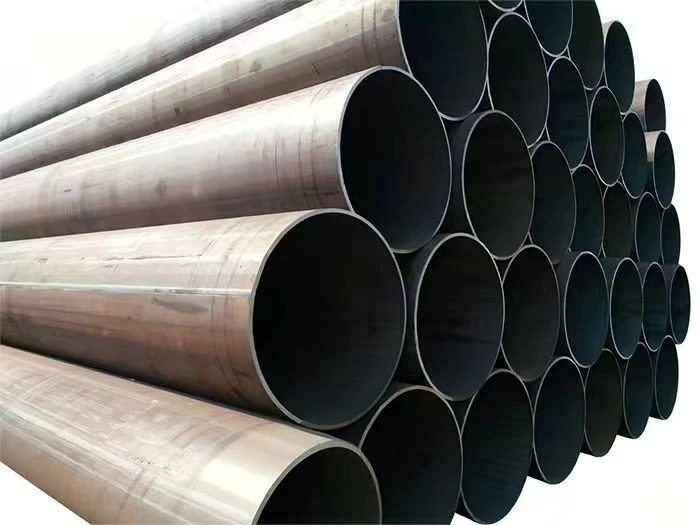
First off, let's quickly go over what ERW galvanized pipes are. ERW stands for Electric Resistance Welded. These pipes are made by rolling a flat steel strip into a tube and then welding the seam using an electric current. Galvanization is the process of coating the pipe with a layer of zinc to protect it from corrosion. This makes ERW galvanized pipes a popular choice for a wide range of applications, from plumbing to construction.
Pre - installation Preparation
- Site Inspection: Before you start installing ERW galvanized pipes, it's crucial to conduct a thorough site inspection. Look for any potential obstacles, such as existing utilities, uneven ground, or low - clearance areas. You need to make sure that the installation site is clear and ready for the pipes. For example, if there are underground cables or pipes in the area, you'll need to mark their locations to avoid any accidental damage during installation.
- Material Check: As a supplier, I always recommend double - checking the materials. Inspect the ERW galvanized pipes for any visible damage, such as dents, scratches, or rust spots. Make sure the pipes are the correct size and length for your project. You don't want to run into issues halfway through the installation because you have the wrong materials. Also, ensure that all the necessary fittings, like elbows, tees, and couplings, are in good condition and match the pipe specifications.
Tools and Equipment
- Cutting Tools: To cut ERW galvanized pipes accurately, you'll need the right cutting tools. A hacksaw can be used for smaller - diameter pipes, but for larger ones, a pipe cutter or a power saw might be more appropriate. When using a power saw, make sure to wear appropriate safety gear, like goggles and gloves.
- Threading Tools: If you're using threaded connections, having high - quality threading tools is essential. A pipe threader will help you create clean and precise threads on the ends of the pipes. This ensures a tight and leak - free connection.
- Measuring Tools: Accurate measurements are key to a successful installation. Use a tape measure and a level to ensure that the pipes are installed straight and at the correct height. This will prevent any issues with water flow or structural integrity later on.
Installation Techniques
- Proper Alignment: When installing ERW galvanized pipes, proper alignment is crucial. Make sure the pipes are in a straight line and that the joints are properly aligned. Misaligned pipes can cause stress on the joints, leading to leaks or even pipe failure over time. You can use a laser level or a string line to help with alignment.
- Joint Sealing: There are different methods for sealing the joints of ERW galvanized pipes. One common method is using thread seal tape, also known as Teflon tape. Wrap the tape around the male threads in a clockwise direction before making the connection. This helps to create a watertight seal. Another option is using pipe joint compound, which is a thick paste that fills the gaps between the threads.
- Support Installation: ERW galvanized pipes need to be properly supported to prevent sagging or movement. Install pipe hangers or brackets at regular intervals along the length of the pipes. The spacing of the supports will depend on the diameter and type of the pipes, as well as the load they will carry. For example, larger - diameter pipes may require more frequent supports.
Considerations for Different Applications
- Plumbing Applications: In plumbing systems, ERW galvanized pipes are often used for water supply lines. When installing pipes for plumbing, make sure to follow local plumbing codes. This includes proper venting to prevent air pockets and ensuring that the pipes are sloped correctly for proper drainage. You can also refer to Rectangular Steel Pipe if you're looking for alternative pipe shapes for specific plumbing setups.
- Construction Applications: In construction, ERW galvanized pipes can be used for structural purposes, such as in building frames or handrails. When using pipes for construction, pay attention to the load - bearing capacity of the pipes. Make sure the pipes are installed in a way that distributes the load evenly. For straight - line structures, Straight Seam Steel Pipe might be a suitable option.
- Industrial Applications: In industrial settings, ERW galvanized pipes are used for transporting various fluids and gases. In these applications, it's important to consider the chemical compatibility of the pipes with the substances they will carry. You may also need to install additional safety features, such as pressure relief valves or flow control devices. Hollow Section Square Pipe can be a good choice for some industrial applications due to its unique shape and strength.
Post - installation Checks
- Pressure Testing: After the installation is complete, it's important to conduct a pressure test. This involves filling the pipes with water or air and applying pressure to check for any leaks. If you find any leaks, mark the location and repair it immediately. A pressure test will help you ensure that the pipes are functioning properly and that there are no hidden issues.
- Visual Inspection: Do a final visual inspection of the entire installation. Check for any loose connections, damaged pipes, or improper supports. Make sure that all the pipes are properly labeled and that the installation is neat and organized.
Cost - effectiveness
Optimizing the installation process of ERW galvanized pipes can also save you money. By following the tips above, you can reduce the risk of costly mistakes, such as re - work due to leaks or improper installation. Using the right tools and techniques from the start will also help you complete the project more quickly, which can save on labor costs.
Conclusion
Well, there you have it! These are some of the key points to consider when optimizing the installation process of ERW galvanized pipes. Whether you're a DIY enthusiast or a professional contractor, following these tips will help you ensure a successful installation.
If you're in the market for high - quality ERW galvanized pipes or have any questions about the installation process, don't hesitate to reach out. We're here to help you with all your pipe - related needs and can assist you in finding the best solutions for your projects. Let's start a conversation and get your project on the right track!
References
- "Handbook of Steel Pipe Engineering"
- "Plumbing Installation Manual"
- "Construction Standards and Practices for Steel Pipes"