

Hey there! I'm a supplier of Aluminum Alloy Guide Rails, and I've gotten a ton of questions lately about how to install these guide rails on uneven surfaces. It's a common challenge, but with the right approach, it can be tackled effectively. In this blog, I'll share some tips and tricks based on my experience in the industry.
First off, let's talk about why you might need to install aluminum alloy guide rails on uneven surfaces. There are plenty of scenarios where the ground or the mounting area isn't perfectly flat. Maybe you're setting up a solar panel system on a rooftop that has some natural slopes or bumps, or you're installing guide rails in an industrial setting where the floor isn't level. Whatever the reason, it's important to know how to handle these situations to ensure a secure and stable installation.
Assessing the Surface
The first step in installing aluminum alloy guide rails on an uneven surface is to assess the surface itself. You need to understand the extent of the unevenness. Is it a minor slope, or are there significant bumps and dips? You can use a leveling tool, like a spirit level or a laser level, to get an accurate reading of the surface. This will help you determine the best approach for installation.
If the unevenness is relatively minor, you might be able to use shims to level out the guide rails. Shims are small, thin pieces of material that can be placed under the guide rails to fill in the gaps and create a more level surface. You can find shims made from various materials, such as plastic, metal, or wood. Just make sure the shims you choose are strong enough to support the weight of the guide rails and any equipment that will be mounted on them.
For more significant unevenness, you might need to consider using adjustable brackets. These brackets allow you to adjust the height of the guide rails at different points along the surface. They're a great option because they can accommodate a wide range of unevenness and provide a more precise leveling solution. You can find adjustable brackets specifically designed for aluminum alloy guide rails at most hardware stores or from your guide rail supplier.
Preparing the Surface
Once you've assessed the surface and decided on the leveling method, it's time to prepare the surface for installation. This involves cleaning the surface to remove any dirt, debris, or grease that could affect the adhesion of the guide rails or the brackets. You can use a pressure washer or a simple cleaning solution and a brush to clean the surface thoroughly.
If the surface is made of concrete or another hard material, you might need to drill holes for the brackets or the fasteners. Make sure you use the right drill bit for the material and follow the manufacturer's instructions for drilling depth and spacing. It's also a good idea to use a dust mask and safety glasses when drilling to protect yourself from dust and debris.
Installing the Guide Rails
Now that the surface is prepared, it's time to install the guide rails. Start by positioning the brackets or the shims on the surface according to your leveling plan. Make sure they're evenly spaced and aligned with the intended path of the guide rails.
Next, place the aluminum alloy guide rails on top of the brackets or shims. You can use a level to ensure the guide rails are straight and level. If you're using adjustable brackets, adjust the height of the brackets as needed to achieve a level surface.
Once the guide rails are in place, secure them to the brackets or the surface using the appropriate fasteners. This could be screws, bolts, or rivets, depending on the type of brackets and the surface material. Make sure the fasteners are tightened securely, but don't overtighten them, as this could damage the guide rails or the brackets.
Testing and Adjusting
After the guide rails are installed, it's important to test them to make sure they're stable and level. You can do this by running a test object, like a small cart or a tool, along the guide rails. If the object moves smoothly without any wobbling or sticking, then the guide rails are properly installed.
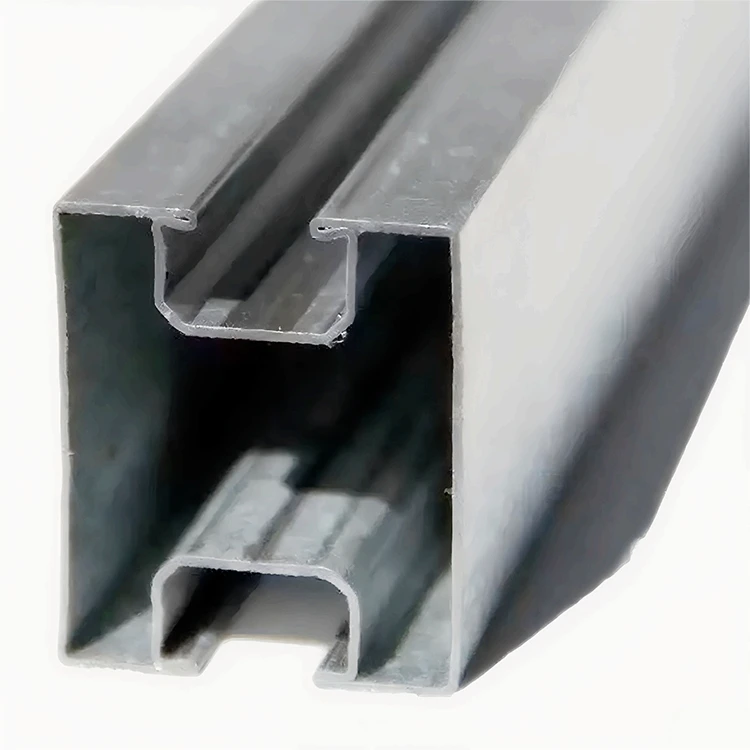

If you notice any issues, such as uneven movement or excessive noise, you might need to make some adjustments. This could involve tightening or loosening the fasteners, adjusting the height of the brackets, or adding additional shims. Keep testing and adjusting until the guide rails are working properly.
Choosing the Right Aluminum Alloy Guide Rail
When it comes to choosing the right aluminum alloy guide rail for your project, there are a few things to consider. First, you need to think about the load capacity of the guide rail. This is the maximum weight that the guide rail can support without bending or breaking. Make sure you choose a guide rail with a load capacity that is appropriate for your application.
You also need to consider the type of aluminum alloy used in the guide rail. Different alloys have different properties, such as strength, corrosion resistance, and durability. For example, Zinc-Aluminum-Magnesium Guide Rail is known for its excellent corrosion resistance, making it a great choice for outdoor applications. On the other hand, Solar Panel Aluminum Guide Rail is designed specifically for solar panel systems and is optimized for weight and strength.
If you're not sure which type of guide rail is right for you, don't hesitate to reach out to your supplier. They can help you choose the best guide rail for your project based on your specific requirements.
Conclusion
Installing aluminum alloy guide rails on uneven surfaces can be a bit of a challenge, but with the right approach and the right materials, it's definitely doable. By assessing the surface, preparing it properly, choosing the right leveling method, and following the installation steps carefully, you can ensure a secure and stable installation.
If you're in the market for Aluminum Alloy Guide Rail, or if you have any questions about installation, feel free to contact us. We're here to help you find the right solution for your project and make the installation process as smooth as possible.
References
- "Aluminum Alloy Handbook" - A comprehensive guide to the properties and applications of aluminum alloys.
- "Installation Guide for Guide Rails" - A manual provided by many guide rail manufacturers with detailed installation instructions.