

Hey there! As an aluminum coil supplier, I've seen firsthand how important it is to enhance the corrosion resistance of these coils. Corrosion can be a real pain in the neck, leading to reduced lifespan, decreased performance, and increased maintenance costs. So, in this blog post, I'm gonna share some tips on how to improve the corrosion resistance of an aluminum coil.
Understanding the Basics of Aluminum Corrosion
Before we dive into the solutions, let's quickly understand why aluminum corrodes in the first place. Aluminum is a reactive metal that forms a thin oxide layer on its surface when exposed to air. This oxide layer acts as a protective barrier, preventing further oxidation and corrosion. However, certain factors can break down this protective layer, exposing the underlying aluminum to the environment and causing corrosion.

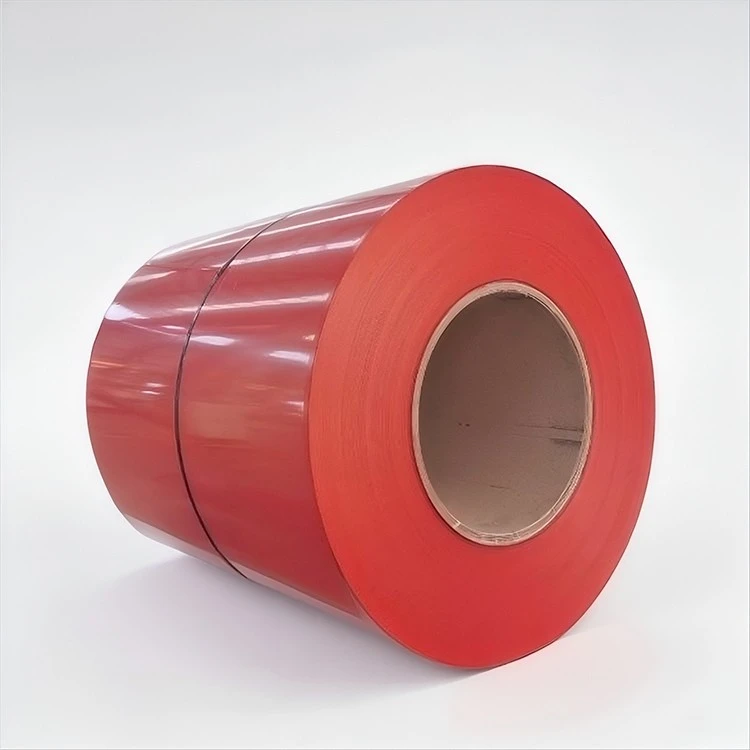
Some common factors that can accelerate aluminum corrosion include:
- Moisture: Water is one of the main culprits behind aluminum corrosion. When aluminum comes into contact with water, it reacts with the oxygen in the water to form aluminum hydroxide, which can further break down into aluminum oxide and water.
- Chemicals: Exposure to certain chemicals, such as acids, alkalis, and salts, can also cause aluminum to corrode. These chemicals can react with the aluminum oxide layer, breaking it down and exposing the underlying metal.
- Temperature: High temperatures can increase the rate of corrosion by accelerating the chemical reactions between aluminum and its environment.
- Mechanical damage: Scratches, dents, and other forms of mechanical damage can also break the protective oxide layer, making the aluminum more susceptible to corrosion.
Ways to Improve Corrosion Resistance
Now that we understand the basics of aluminum corrosion, let's look at some ways to improve the corrosion resistance of an aluminum coil.
Surface Treatment
One of the most effective ways to improve the corrosion resistance of an aluminum coil is through surface treatment. There are several types of surface treatments available, each with its own advantages and disadvantages.
- Anodizing: Anodizing is a process that involves creating an oxide layer on the surface of the aluminum coil through an electrochemical reaction. This oxide layer is thicker and more durable than the natural oxide layer, providing better protection against corrosion. Anodized aluminum coils are commonly used in applications where corrosion resistance is critical, such as in the construction, automotive, and aerospace industries. Learn more about anodized aluminum coils.
- Painting: Painting is another popular method of improving the corrosion resistance of an aluminum coil. A high-quality paint coating can provide a physical barrier between the aluminum and its environment, preventing moisture and chemicals from coming into contact with the metal. There are several types of paints available for aluminum coils, including epoxy, polyurethane, and acrylic paints. Check out our Color Coated Coil for a wide range of color options and excellent corrosion resistance.
- Powder Coating: Powder coating is a dry finishing process that involves applying a fine powder to the surface of the aluminum coil and then heating it to melt and fuse the powder into a smooth, durable coating. Powder coating provides excellent corrosion resistance, as well as a high level of durability and scratch resistance. It is also environmentally friendly, as it does not contain solvents or volatile organic compounds (VOCs).
Alloy Selection
The choice of aluminum alloy can also have a significant impact on the corrosion resistance of an aluminum coil. Different aluminum alloys have different compositions and properties, which can affect their resistance to corrosion.
- Alloy 3003: Alloy 3003 is a popular choice for aluminum coils due to its excellent formability, weldability, and corrosion resistance. It contains manganese as the main alloying element, which helps to improve its strength and corrosion resistance. Alloy 3003 is commonly used in applications where moderate corrosion resistance is required, such as in the food and beverage industry, as well as in general sheet metal work.
- Alloy 5052: Alloy 5052 is another widely used aluminum alloy for coils. It contains magnesium as the main alloying element, which provides excellent corrosion resistance, especially in marine environments. Alloy 5052 is also known for its high strength, good formability, and weldability. It is commonly used in applications where high corrosion resistance is required, such as in the marine, automotive, and aerospace industries.
Environmental Control
In addition to surface treatment and alloy selection, environmental control is also important for improving the corrosion resistance of an aluminum coil. By controlling the environment in which the aluminum coil is used or stored, you can reduce the risk of corrosion.
- Keep it Dry: As mentioned earlier, moisture is one of the main causes of aluminum corrosion. Therefore, it is important to keep the aluminum coil dry at all times. If the coil is stored outdoors, it should be covered with a waterproof tarp or stored in a dry, enclosed area. If the coil is used in a wet environment, such as in a marine or industrial setting, it should be properly protected with a corrosion-resistant coating.
- Avoid Chemical Exposure: Exposure to chemicals can also cause aluminum to corrode. Therefore, it is important to avoid exposing the aluminum coil to chemicals, such as acids, alkalis, and salts. If the coil needs to be cleaned, use a mild detergent and water, and avoid using abrasive cleaners or solvents.
- Control Temperature: High temperatures can increase the rate of corrosion. Therefore, it is important to control the temperature in which the aluminum coil is used or stored. If the coil is used in a high-temperature environment, such as in a furnace or oven, it should be properly insulated to reduce the temperature.
Conclusion
Improving the corrosion resistance of an aluminum coil is essential for ensuring its long-term performance and durability. By understanding the basics of aluminum corrosion and implementing the tips and techniques outlined in this blog post, you can significantly enhance the corrosion resistance of your aluminum coils.
If you're in the market for high-quality aluminum coils with excellent corrosion resistance, look no further! We're a leading supplier of Aluminum Coil, Color Coated Coil, and Cold Rolled Steel Sheet in Coil. Our products are made from the highest quality materials and are designed to meet the most demanding applications.
Contact us today to learn more about our products and how we can help you improve the corrosion resistance of your aluminum coils. We're here to answer your questions and provide you with the best solutions for your needs.
References
- ASM Handbook, Volume 13A: Corrosion: Fundamentals, Testing, and Protection. ASM International.
- Aluminum Association. Aluminum Design Manual.