

Hey there! I'm a supplier of Rectangular Steel Pipe, and I've seen my fair share of damaged pipes over the years. Dealing with damaged rectangular steel pipes can be a real headache, but don't worry, I've got some tips and tricks to help you handle this situation like a pro.
Understanding the Types of Damage
First things first, you need to know what kind of damage your rectangular steel pipes might have. There are several common types of damage, each with its own causes and solutions.
Dents
Dents are one of the most common types of damage. They can occur during transportation, handling, or even from accidental impacts on the job site. Dents can affect the structural integrity of the pipe, especially if they're deep or located in critical areas.
Cracks
Cracks are a more serious type of damage. They can be caused by stress, corrosion, or improper handling. Cracks can spread over time, leading to pipe failure. It's important to identify and address cracks as soon as possible.
Corrosion
Corrosion is another common issue, especially in environments where the pipes are exposed to moisture, chemicals, or saltwater. Corrosion can weaken the pipe walls, making them more susceptible to other types of damage.
Assessing the Damage
Once you've identified the type of damage, the next step is to assess its severity. This will help you determine the best course of action.
Minor Damage
For minor dents or surface corrosion, you might be able to repair the pipe on-site. Minor dents can sometimes be hammered out carefully, and surface corrosion can be removed using a wire brush or sandpaper. However, you need to make sure that the repair doesn't compromise the pipe's integrity.
Moderate Damage
Moderate damage, such as deeper dents or small cracks, might require more extensive repairs. You might need to use welding or other specialized techniques to fix the problem. In some cases, it might be necessary to replace a section of the pipe.
Severe Damage
If the damage is severe, such as large cracks or significant corrosion, it's usually best to replace the entire pipe. Trying to repair severely damaged pipes can be risky and might not be cost-effective in the long run.
Repairing Damaged Rectangular Steel Pipes
If you've determined that the pipe can be repaired, here are some common repair methods:
Welding
Welding is a popular method for repairing cracks and joining sections of pipe. It's important to use the right type of welding rod and technique for the specific type of steel. Make sure to clean the area around the damage thoroughly before welding to ensure a strong bond.
Patching
Patching can be used to repair small holes or dents. You can use a steel patch that's welded or bolted to the damaged area. This method is relatively quick and easy, but it might not be suitable for all types of damage.
Coating
Applying a protective coating can help prevent further corrosion and extend the life of the pipe. There are many different types of coatings available, such as epoxy, zinc, or paint. Choose a coating that's suitable for the environment where the pipe will be used.
Preventing Damage in the Future
Of course, the best way to handle damaged rectangular steel pipes is to prevent the damage from happening in the first place. Here are some tips to help you do that:
Proper Handling and Transportation
Make sure to handle and transport the pipes carefully. Use appropriate lifting equipment and secure the pipes to prevent them from shifting or colliding during transit.
Storage
Store the pipes in a dry, protected area. If possible, elevate the pipes off the ground to prevent moisture from accumulating.
Regular Inspections
Perform regular inspections of the pipes to detect any signs of damage early. This will allow you to take action before the damage becomes severe.
When to Replace a Damaged Pipe
Sometimes, despite your best efforts, it's just not worth trying to repair a damaged pipe. Here are some signs that it's time to replace the pipe:
Extensive Damage
If the damage is extensive, such as large cracks or significant corrosion, it's usually best to replace the pipe. Trying to repair a severely damaged pipe can be costly and might not be reliable.

Safety Concerns
If the damage poses a safety risk, such as a crack that could lead to pipe failure, it's important to replace the pipe immediately.
Cost-Effectiveness
In some cases, it might be more cost-effective to replace the pipe rather than repair it. Consider the cost of the repair, the remaining life of the pipe, and the potential for future damage when making your decision.
Our Products and Services
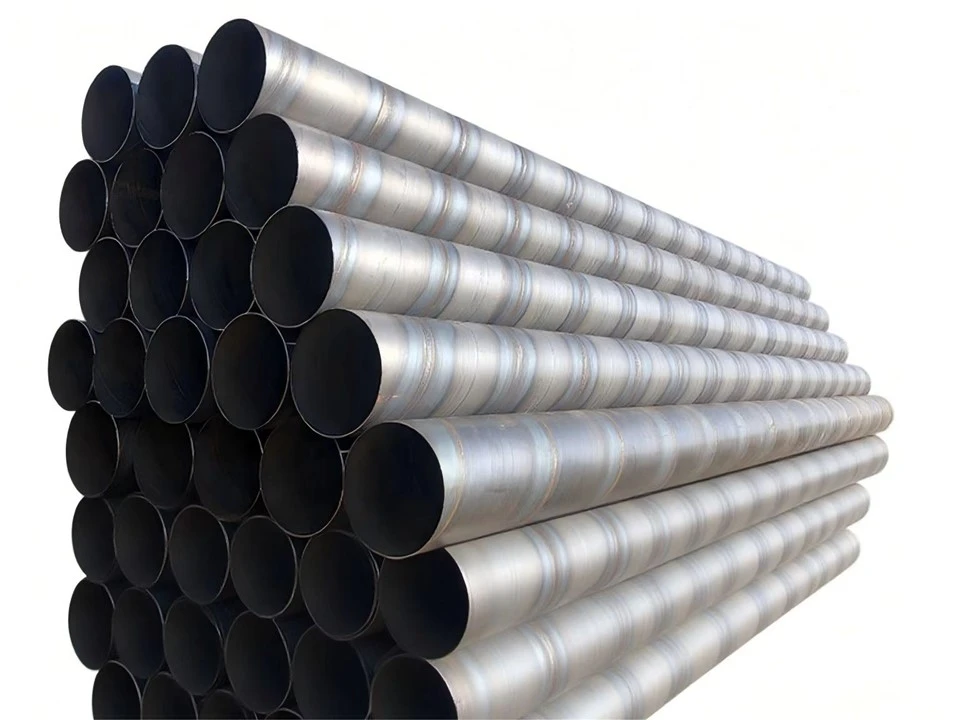
As a supplier of Rectangular Steel Pipe, we offer high-quality pipes that are built to last. We also provide a range of related products, such as Spiral Steel Pipe and Erw Galvanized Pipe. Our team of experts can help you choose the right products for your needs and provide advice on how to handle and maintain them.
If you're in the market for rectangular steel pipes or need help with damaged pipes, don't hesitate to get in touch with us. We're here to make your purchasing process as smooth and hassle-free as possible. Whether you're a contractor, a builder, or a DIY enthusiast, we've got the products and expertise to meet your needs.
Conclusion
Handling damaged rectangular steel pipes can be a challenge, but with the right knowledge and approach, you can minimize the impact of the damage and keep your projects on track. Remember to assess the damage carefully, choose the appropriate repair method, and take steps to prevent future damage. And if you need high-quality rectangular steel pipes or other steel products, we're here to help. Contact us today to discuss your requirements and start your next project with confidence.
References
- "Steel Pipe Handbook" - A comprehensive guide to steel pipe manufacturing, properties, and applications.
- Industry standards and guidelines related to steel pipe inspection, repair, and maintenance.