

Galvanized pipes have long been a staple in various industries, from construction to plumbing, due to their durability and resistance to corrosion. As a supplier of Electric Resistance Welded (ERW) Galvanized Pipe, I've witnessed firsthand the importance of the galvanizing layer in protecting these pipes. In this blog post, I'll delve into the science behind how the galvanizing layer on ERW Galvanized Pipe safeguards it from the elements and extends its lifespan.
Understanding ERW Galvanized Pipe
Before we explore the protective mechanisms of the galvanizing layer, let's briefly understand what ERW Galvanized Pipe is. ERW pipes are manufactured by rolling steel strips and then welding them longitudinally using electric resistance. This process results in a seamless - looking pipe with a strong weld joint. Galvanization is a subsequent process where a coating of zinc is applied to the surface of the ERW pipe.
The Galvanizing Process
The most common method of galvanizing ERW pipes is hot - dip galvanizing. In hot - dip galvanizing, the ERW pipes are first cleaned to remove any impurities such as oil, grease, and mill scale. This is usually done through a series of steps including degreasing, pickling, and fluxing.
Once the pipes are thoroughly cleaned, they are immersed in a bath of molten zinc at a temperature of around 450°C (842°F). At this high temperature, a metallurgical reaction occurs between the iron in the steel pipe and the zinc in the molten bath. This reaction forms a series of zinc - iron alloy layers on the surface of the pipe, followed by a layer of pure zinc on top.
How the Galvanizing Layer Protects the Pipe
1. Barrier Protection
The outermost layer of pure zinc acts as a physical barrier between the steel pipe and the surrounding environment. This barrier prevents oxygen, water, and other corrosive agents from coming into direct contact with the steel. Just like a shield, it stops the initial stages of corrosion by blocking the access of these harmful elements.
For example, in a humid environment, water droplets that land on the galvanized pipe cannot immediately reach the steel substrate because of the zinc layer. As long as the zinc layer remains intact, the steel is protected from rusting.
2. Sacrificial Protection
One of the most remarkable features of the galvanizing layer is its ability to provide sacrificial protection. Zinc is more electrochemically active than steel. This means that in the presence of an electrolyte (such as water with dissolved salts), zinc will corrode preferentially to the steel.
When a small area of the steel is exposed, perhaps due to a scratch or a cut in the galvanizing layer, a galvanic cell is formed. The zinc acts as the anode, and the exposed steel acts as the cathode. The zinc corrodes, releasing electrons, and these electrons flow to the exposed steel, preventing it from corroding.
This sacrificial protection is crucial because it ensures that even if the pipe is damaged during handling, installation, or use, the steel is still protected. The zinc will continue to corrode until it is completely consumed in the area around the exposed steel.
3. Self - Healing Properties
The galvanizing layer also has self - healing properties. When the zinc corrodes, it forms a layer of zinc oxide or zinc hydroxide on the surface. These compounds are relatively stable and can further protect the underlying zinc and steel.
In some cases, if the corrosion products are exposed to carbon dioxide in the air, they can form a more complex and protective layer called zinc carbonate. This layer can fill small gaps or scratches in the galvanizing layer, effectively "healing" the damage and restoring the protective barrier.
Factors Affecting the Effectiveness of the Galvanizing Layer
1. Thickness of the Galvanizing Layer
The thickness of the galvanizing layer plays a significant role in its protective ability. A thicker zinc layer will provide longer - lasting protection as it takes more time for the zinc to be consumed through corrosion.
Industry standards often specify minimum thickness requirements for the galvanizing layer based on the intended use of the pipe. For example, pipes used in harsh environments such as marine applications may require a thicker galvanizing layer compared to those used in indoor plumbing systems.
2. Quality of the Galvanizing Process
The quality of the galvanizing process is crucial for the effectiveness of the galvanizing layer. If the pipes are not properly cleaned before galvanizing, the adhesion of the zinc layer may be poor. This can lead to premature peeling or flaking of the zinc, reducing its protective ability.

Additionally, the temperature and duration of the immersion in the molten zinc bath need to be carefully controlled. Incorrect process parameters can result in an uneven or defective galvanizing layer.
3. Environmental Conditions
The environment in which the galvanized pipe is used also affects the performance of the galvanizing layer. In a highly corrosive environment, such as near a chemical plant or in a marine setting with high salt content in the air, the zinc layer will corrode at a faster rate.
On the other hand, in a relatively clean and dry environment, the galvanizing layer will last much longer. For instance, pipes used in a well - ventilated indoor warehouse will have a longer service life compared to those installed in an outdoor coastal area.
Applications of ERW Galvanized Pipe
ERW Galvanized Pipe is widely used in many applications due to its excellent corrosion resistance. In the construction industry, it is used for structural purposes such as in building frameworks, handrails, and fencing. The galvanizing layer ensures that these structures can withstand the test of time, even in outdoor settings.
In the plumbing industry, ERW Galvanized Pipe is a popular choice for water supply lines. The protective zinc layer prevents the pipes from rusting and contaminating the water, ensuring a clean and safe water supply.
In the agricultural sector, these pipes are used for irrigation systems. They can withstand exposure to water, soil, and various agricultural chemicals without corroding easily.
Comparison with Other Types of Pipes
When compared to other types of pipes, such as Spiral Steel Pipe, HDG Square Steel Pipe, and Gi Pipe Seamless, ERW Galvanized Pipe offers unique advantages.
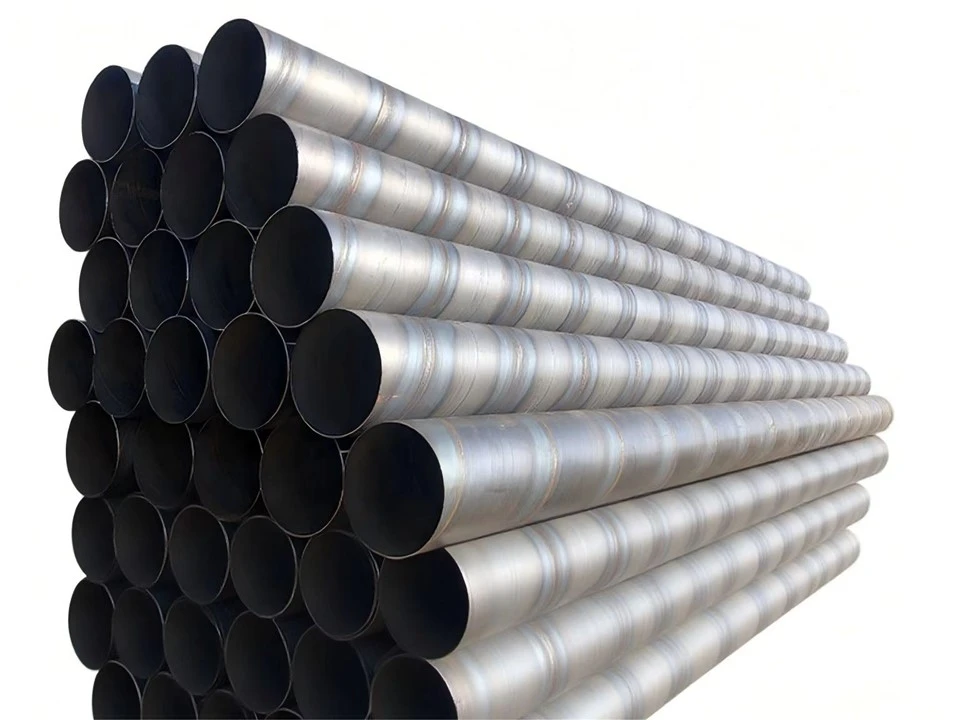
Spiral Steel Pipe is often used for large - diameter applications, but it may require additional corrosion protection in some cases. ERW Galvanized Pipe, with its built - in galvanizing layer, provides immediate corrosion resistance without the need for extra coatings.
HDG Square Steel Pipe is commonly used for architectural and structural applications. While it also has a hot - dip galvanized coating, ERW Galvanized Pipe is more versatile in terms of diameter and wall thickness options, making it suitable for a wider range of applications.
Gi Pipe Seamless is known for its smooth interior surface and high strength. However, ERW Galvanized Pipe can be more cost - effective for many applications, especially when corrosion resistance is a key requirement.
Conclusion
As a supplier of ERW Galvanized Pipe, I am confident in the quality and performance of these pipes. The galvanizing layer provides both barrier and sacrificial protection, along with self - healing properties, making the pipes highly resistant to corrosion.
Whether you are involved in construction, plumbing, agriculture, or any other industry that requires durable and corrosion - resistant pipes, ERW Galvanized Pipe is an excellent choice. If you are interested in purchasing ERW Galvanized Pipe for your project, I encourage you to reach out for a detailed discussion. We can provide you with pipes that meet your specific requirements in terms of size, thickness, and quality.
References
- "Galvanizing: A Practical Guide", published by the International Lead Zinc Research Organization.
- "Corrosion Resistance of Galvanized Steel", by NACE International.
- "Steel Pipe Handbook", various editions, covering manufacturing and applications of steel pipes.