

Hey there! As a supplier of Solar Purlin Connectors, I often get asked if these connectors can be used in different climates. Well, let's dive right into it and explore this topic in detail.
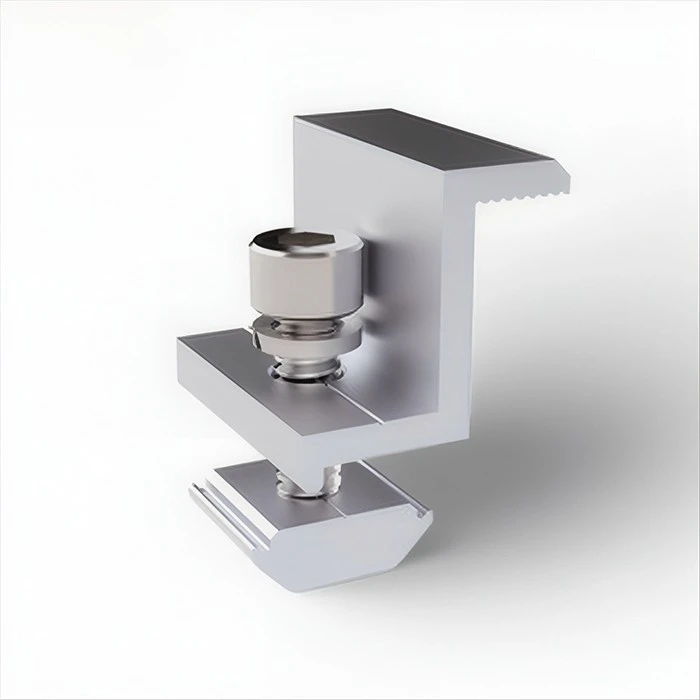

First off, what are Solar Purlin Connectors? These are crucial components in a solar panel installation. They're used to connect solar purlins, which are essentially the support structures for solar panels. You can check out more about Solar Purlin Connector on our website.
Now, let's talk about different climates. We've got hot and dry deserts, humid and tropical regions, cold and snowy areas, and even places with a lot of salt in the air near the ocean. Each of these climates poses unique challenges for solar purlin connectors.
In hot and dry climates, like the deserts of the southwestern United States or the Sahara in Africa, the main issue is extreme heat. High temperatures can cause materials to expand. If the solar purlin connectors aren't made of materials that can handle this expansion, they might warp or break over time. For example, some metals can become brittle when heated to very high temperatures. But our Solar Purlin Connectors are designed with high - quality materials that have a high thermal expansion tolerance. This means they can expand and contract with the changing temperatures without losing their structural integrity.
On the other hand, humid and tropical climates bring a different set of problems. The high humidity levels can lead to corrosion. Moisture in the air can react with the metal of the connectors, causing rust. Rust not only weakens the connectors but can also affect the overall performance of the solar panel system. That's why our connectors are often coated with anti - corrosion materials. We use advanced galvanization processes to create a protective layer on the surface of the connectors. This layer acts as a barrier between the metal and the moist air, preventing corrosion. You can also take a look at our Galvanized Steel Solar Panel Mounting Bracket Footing Base, which uses similar anti - corrosion technology.
Cold and snowy regions are another story. In these areas, the connectors need to withstand heavy snow loads. Snow can accumulate on the solar panels and the support structures, putting a lot of pressure on the connectors. Our connectors are engineered to have high strength and load - bearing capacity. They're tested to ensure they can handle the weight of thick snow without bending or failing. Additionally, extremely cold temperatures can make some materials more brittle. But our connectors are made from materials that remain flexible even in freezing conditions, so they won't crack under the stress.
Coastal areas with a high salt content in the air are also a challenge. Salt is highly corrosive, and it can eat away at the connectors much faster than normal humidity. Our Solar Purlin Connectors are treated with special coatings that are resistant to saltwater corrosion. These coatings are designed to protect the connectors from the harsh coastal environment, ensuring a long lifespan for the solar panel system.
Let's also consider the impact of wind. In windy regions, the connectors need to keep the solar panels firmly in place. Strong winds can exert a lot of force on the panels, and if the connectors aren't secure, the panels could be damaged or even blown away. Our connectors are designed with a tight - fitting mechanism that provides a secure connection between the purlins and the panels. They're also tested in wind tunnels to ensure they can withstand high - speed winds.
Another aspect to consider is the UV radiation. In areas with a lot of sunlight, UV rays can degrade the materials of the connectors over time. Our connectors are made with UV - resistant materials that can withstand long - term exposure to sunlight without losing their strength or integrity.
Now, you might be wondering how we test our Solar Purlin Connectors to ensure they can perform in different climates. We have a state - of - the - art testing facility where we simulate various climate conditions. We can recreate extreme heat, cold, humidity, and saltwater exposure to see how our connectors hold up. This allows us to make any necessary adjustments to the design and materials to ensure optimal performance.
In addition to the standard Solar Purlin Connectors, we also offer Photovoltaic Clamps. These clamps are used to secure the solar panels to the purlins and are also designed to perform well in different climates. They're made with the same high - quality materials and undergo the same rigorous testing as our connectors.
So, to answer the question, yes, our Solar Purlin Connectors can be used in different climates. We've put a lot of effort into designing and manufacturing these connectors to ensure they can withstand the challenges posed by various environmental conditions. Whether you're installing a solar panel system in a hot desert, a humid jungle, a cold mountain, or a coastal area, our connectors will provide a reliable and long - lasting solution.
If you're in the process of planning a solar panel installation or need to replace some connectors in an existing system, I encourage you to get in touch with us. We can provide you with detailed information about our products, including their performance in different climates, and help you choose the right connectors for your specific needs. Don't hesitate to reach out for a consultation and start your journey towards a more sustainable and reliable solar energy system.
References
- Industry reports on solar panel installation in different climates
- Research papers on the effects of environmental factors on solar panel components