

Are there any environmental impacts of using aluminum alloy clamps?
As a supplier of Aluminum Alloy Clamps, I've often been asked about the environmental impacts associated with our products. In this blog, I'll delve into the various aspects of how aluminum alloy clamps interact with the environment, from production to end - of - life.
Production Phase
The production of aluminum alloy clamps starts with the extraction of aluminum ore, mainly bauxite. Mining bauxite can have significant environmental consequences. Open - pit mining, which is commonly used for bauxite extraction, can lead to deforestation and habitat destruction. The removal of large areas of vegetation disrupts ecosystems, displaces wildlife, and can cause soil erosion. This erosion can lead to sedimentation in nearby water bodies, affecting water quality and aquatic life.
However, the situation is not entirely bleak. The aluminum industry has made great strides in reducing the environmental impact of bauxite mining. Many mining companies now engage in reforestation and land rehabilitation programs. They replant native vegetation in the mined areas, which helps to restore the ecosystem and reduce soil erosion.
Once the bauxite is mined, it is refined into alumina through the Bayer process. This process consumes a large amount of energy, mainly in the form of electricity. In regions where the electricity is generated from fossil fuels, this can lead to high greenhouse gas emissions. But, there is a growing trend towards using renewable energy sources in the aluminum refining process. Some refineries are now powered by hydroelectric, solar, or wind energy, which significantly reduces their carbon footprint.
After obtaining alumina, it is smelted into aluminum metal using the Hall - Héroult process. This process also requires a substantial amount of energy. Similar to the refining process, the use of renewable energy in smelting can greatly mitigate the environmental impact. Additionally, modern smelting technologies are being developed to improve energy efficiency, reducing the overall energy consumption and associated emissions.
When it comes to alloying the aluminum to produce the clamps, different elements are added to enhance the properties of the material. These elements are usually sourced from various mines around the world. The mining of these alloying elements can also have environmental impacts similar to bauxite mining, such as habitat destruction and water pollution. However, strict environmental regulations in many countries are forcing mining companies to adopt more sustainable practices.
Usage Phase
During the usage phase, aluminum alloy clamps offer several environmental benefits. One of the key advantages is their durability. Aluminum alloy clamps are highly resistant to corrosion, which means they have a long service life. This reduces the need for frequent replacements, thereby conserving resources. For example, in photovoltaic systems, Aluminum Alloy Clamp are used to secure solar panels. Their long - lasting nature ensures that the photovoltaic system can operate efficiently for many years without the need to replace the clamps, which in turn reduces waste generation.
Another benefit is the recyclability of aluminum. Aluminum is one of the most recyclable materials on the planet. Recycling aluminum requires only about 5% of the energy needed to produce new aluminum from bauxite. When aluminum alloy clamps reach the end of their useful life, they can be easily recycled. The recycled aluminum can then be used to produce new clamps or other aluminum products. This closed - loop recycling system helps to conserve natural resources and reduce energy consumption.
In addition, aluminum alloy clamps are lightweight compared to many other materials. In applications such as construction and transportation, the use of lightweight clamps can reduce the overall weight of the structure or vehicle. This leads to lower energy consumption during operation. For instance, in the automotive industry, using aluminum alloy clamps can contribute to better fuel efficiency, which in turn reduces greenhouse gas emissions.
End - of - Life Phase
As mentioned earlier, the recyclability of aluminum alloy clamps is a major environmental advantage. At the end of their life cycle, the clamps can be collected and sent to recycling facilities. In these facilities, the clamps are melted down, and the impurities are removed. The recycled aluminum can then be used to manufacture new products, including Color Steel Tile Roof Clamp and Aluminum Alloy Solar Roof Clamp.
However, the collection and recycling process also face some challenges. In some regions, there may be a lack of proper recycling infrastructure, which can lead to a significant portion of aluminum alloy clamps ending up in landfills. To address this issue, governments and industries need to work together to improve the recycling rate. This can be achieved through education campaigns to raise public awareness about the importance of recycling, as well as the establishment of more efficient collection and recycling systems.
Comparison with Other Materials
When comparing aluminum alloy clamps with other materials such as steel or plastic, aluminum has some clear environmental advantages. Steel clamps are heavier than aluminum alloy clamps, which can lead to higher energy consumption during transportation and use. Additionally, steel is more prone to corrosion, which may require more frequent replacements, increasing waste generation.
Plastic clamps, on the other hand, are often made from non - renewable fossil fuels. They have a relatively short service life compared to aluminum alloy clamps and are not as easily recyclable. Many plastic products end up in landfills or the ocean, where they can take hundreds of years to decompose, causing long - term environmental problems.
Our Commitment as a Supplier
As a supplier of Aluminum Alloy Clamp, we are committed to minimizing the environmental impact of our products. We source our raw materials from suppliers who adhere to strict environmental standards. We also encourage the use of renewable energy in our production processes.
We are constantly researching and developing new technologies to improve the energy efficiency of our manufacturing operations. By reducing energy consumption, we can lower our greenhouse gas emissions and contribute to a more sustainable future.
In addition, we support recycling initiatives. We provide information to our customers about the recyclability of our clamps and encourage them to recycle the products at the end of their life. We also work with recycling companies to ensure that the clamps are properly recycled and reused.
Conclusion
In conclusion, while the production of aluminum alloy clamps has some environmental impacts, especially in the mining and refining phases, the overall environmental performance of these clamps is quite favorable. Their durability, recyclability, and lightweight nature offer significant environmental benefits during the usage and end - of - life phases.
As a supplier, we are dedicated to further reducing the environmental impact of our products. We believe that by working together with our customers, suppliers, and the community, we can achieve a more sustainable aluminum industry.

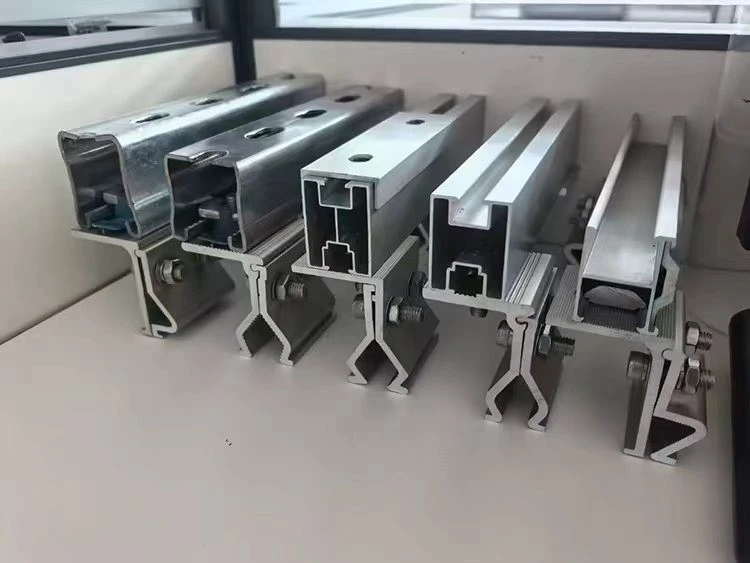
If you are interested in our Aluminum Alloy Clamp, Color Steel Tile Roof Clamp, or Aluminum Alloy Solar Roof Clamp, please feel free to contact us for more information and to discuss your procurement needs. We look forward to collaborating with you to build a more sustainable future.
References
- "Aluminum Production and the Environment" by The Aluminum Association
- "Environmental Impact Assessment of Metal Production Processes" by various authors in the Journal of Environmental Science and Technology
- "Recycling of Aluminum: A Review" by research teams from leading metallurgical institutes