

Are pull rods adjustable? That's a question I get asked a lot as a pull rod supplier. In this blog, I'll dig into this topic, share some insights, and give you the lowdown on whether pull rods are adjustable and how that might matter to you.
First off, let's talk about what pull rods are. Pull rods are key components in many structures, especially in the photovoltaic (PV) system materials. They're used to provide support, stability, and help distribute loads evenly. You can check out more about pull rods on our website Pull Rod.
Now, to answer the big question: yes, many pull rods are adjustable. But it's not a one - size - fits - all situation. The adjustability of pull rods depends on a few factors.
Types of Adjustable Pull Rods
There are different types of adjustable pull rods in the market. One common type uses a threaded mechanism. These pull rods have threaded ends that allow you to turn and adjust the length. This is super handy because you can fine - tune the tension in the rod according to the specific requirements of your structure. For example, if you're installing a PV system on a rooftop and the surface isn't perfectly level, you can adjust the pull rods to ensure that the panels are properly aligned and supported.
Another type of adjustable pull rod uses a telescopic design. These rods can be extended or retracted like a telescope. They're often used in situations where you need to make quick adjustments or where the length requirements might change during the installation process.
Why Adjustability Matters
Adjustability in pull rods offers several benefits. First of all, it allows for greater flexibility during installation. You don't have to worry about getting the exact length right from the start. If you encounter any unexpected issues, like a misaligned beam or an uneven foundation, you can easily adjust the pull rods to compensate.
Secondly, adjustability helps in optimizing the performance of the structure. By adjusting the tension in the pull rods, you can ensure that the load is evenly distributed. This reduces stress on individual components and can extend the lifespan of the entire system. In a PV system, for example, proper tension in the pull rods can prevent the panels from sagging or getting damaged over time.
Limitations of Adjustable Pull Rods
While adjustability is great, it's not without its limitations. One of the main limitations is the range of adjustment. Most adjustable pull rods have a certain maximum and minimum length. If your project requires a very large change in length, you might need to look for a different solution or use multiple rods.
Another limitation is the potential for loosening. Over time, the adjustable parts of the pull rod, such as the threads or the telescopic joints, can loosen due to vibrations or other external factors. This can lead to a decrease in the effectiveness of the pull rod and may require regular maintenance and re - adjustment.
Complementary Products
Pull rods don't work in isolation. They often work in conjunction with other components in a PV system. Two important complementary products are Photovoltaic Clamp and Pipe Strap Bracket.
Photovoltaic clamps are used to secure the PV panels to the mounting structure. They work together with pull rods to ensure that the panels are firmly in place. Pipe strap brackets, on the other hand, are used to support pipes and cables in the PV system. They can be attached to the pull rods to create a more organized and stable installation.
Real - World Applications
Let's take a look at some real - world applications of adjustable pull rods. In a large - scale PV power plant, adjustable pull rods are used to support the arrays of PV panels. The terrain in these power plants can be quite uneven, and adjustable pull rods allow for easy installation and alignment of the panels.

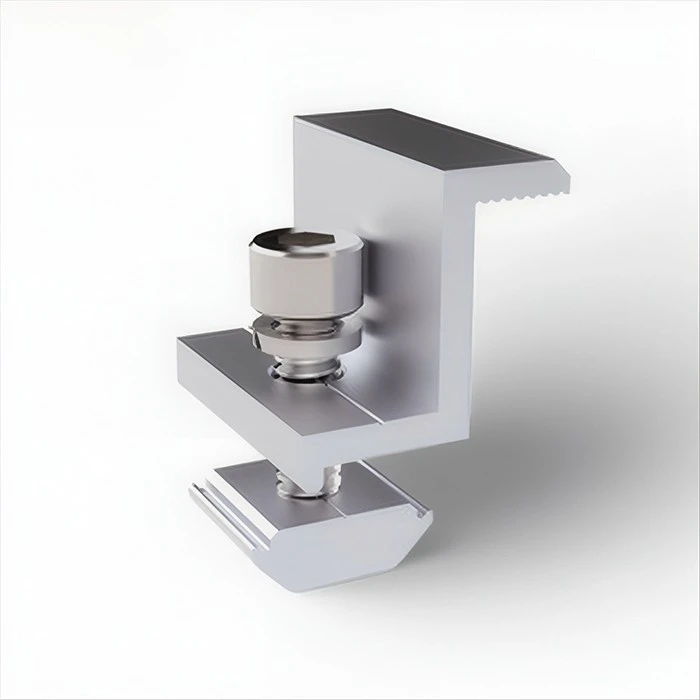
In a residential PV system, adjustable pull rods can be used to support the panels on a rooftop. They can be adjusted to account for the slope of the roof and to ensure that the panels are facing the right direction for maximum sunlight exposure.
How to Choose the Right Adjustable Pull Rod
When choosing an adjustable pull rod, there are a few things you need to consider. First, you need to determine the required range of adjustment. This will depend on the specific requirements of your project. If you expect a large variation in length, you'll need a pull rod with a wider range of adjustment.
Secondly, you need to consider the load - bearing capacity of the pull rod. Make sure that the rod can handle the weight and forces that will be applied to it in your structure.
Finally, you should also consider the quality and durability of the pull rod. Look for rods made from high - quality materials that can withstand the environmental conditions of your project site.
Maintenance of Adjustable Pull Rods
To ensure the long - term performance of adjustable pull rods, regular maintenance is essential. You should periodically check the tension in the rods and make any necessary adjustments. Also, inspect the adjustable parts for signs of wear and tear, such as loose threads or damaged telescopic joints. If you notice any issues, replace the parts as soon as possible to prevent further damage.
Conclusion
So, are pull rods adjustable? The answer is yes, and adjustability offers a lot of benefits in terms of flexibility, performance optimization, and ease of installation. However, it's important to be aware of the limitations and to choose the right pull rod for your specific project.
If you're in the market for pull rods or any other PV system materials, I'd love to talk to you. Whether you have questions about adjustability, installation, or just need some advice on choosing the right products, I'm here to help. Don't hesitate to reach out for a procurement discussion. We can work together to find the best solutions for your PV project.
References
- Engineering Handbook of Structural Components
- Photovoltaic System Installation Guide
- Manufacturer's Specifications for Pull Rods, Photovoltaic Clamps, and Pipe Strap Brackets